Across Western Canada, the race is on to modernize electrical infrastructure that was never designed for today’s rapidly changing energy demands. Across the energy corridors in British Columbia and Alberta, power reliability is no longer just an operational concern, it’s a cornerstone of the energy transition.
Canada’s federal goal of a net-zero electricity grid by 2050 is driving billions of dollars into grid modernization, renewable integration, and electrification. South of the border, the Inflation Reduction Act continues to fund transmission upgrades and low-carbon technologies to meet surging demand from EVs, AI data centers, and industrial electrification.
For operators and utilities, the challenge is balancing short-term reliability with long-term sustainability. Much of the Western Canadian grid, particularly in Alberta and British Columbia, is more than 50 years old. Add in rapidly growing load from electrified production sites and data infrastructure, as well as population growth, and the system is being pushed to its limits.
That’s where firms like Lauren, an Alberta-founded EPCM, are stepping in to bridge the gap. With dedicated electrical utility teams and decades of experience in the region’s most complex energy environments, Lauren is helping operators upgrade systems, reduce losses, and prepare for renewable integration one substation, switching yard, and feeder line at a time.
Engineering the Transition
“Our clients are navigating a massive transformation where every upgrade must balance immediate reliability with long-term sustainability,” says Charbel Rouhana, P.Eng., MBA, Director of Engineering at Lauren. “From doubling voltages to support 400-amp residential services for EVs, to converting gas-driven compressors into electric motor-driven systems, we’re helping operators cut emissions while preparing for exponential demand growth.”
For Rouhana and his team, it’s not simply about building new lines, it’s about optimizing what’s already there. “Innovation doesn’t always mean replacement,” he adds. “It means finding efficiencies, whether that’s through smarter switching, improved load management, or harnessing energy from pressure systems through turbo expanders.”
Lauren’s track record across Western Canada proves the point.
- In British Columbia, the Voltage Conversion and Equipment Replacement project with BC Hydro upgraded existing substations to handle dual-voltage 12/25kV equipment, enabling future conversions and improving grid efficiency.
- For FortisBC, the firm delivered a Substation Load Balancing and Switching Upgrade, installing flexible switching and new poles to enable faster fault isolation and reduce energy waste, critical for integrating intermittent solar and wind sources.
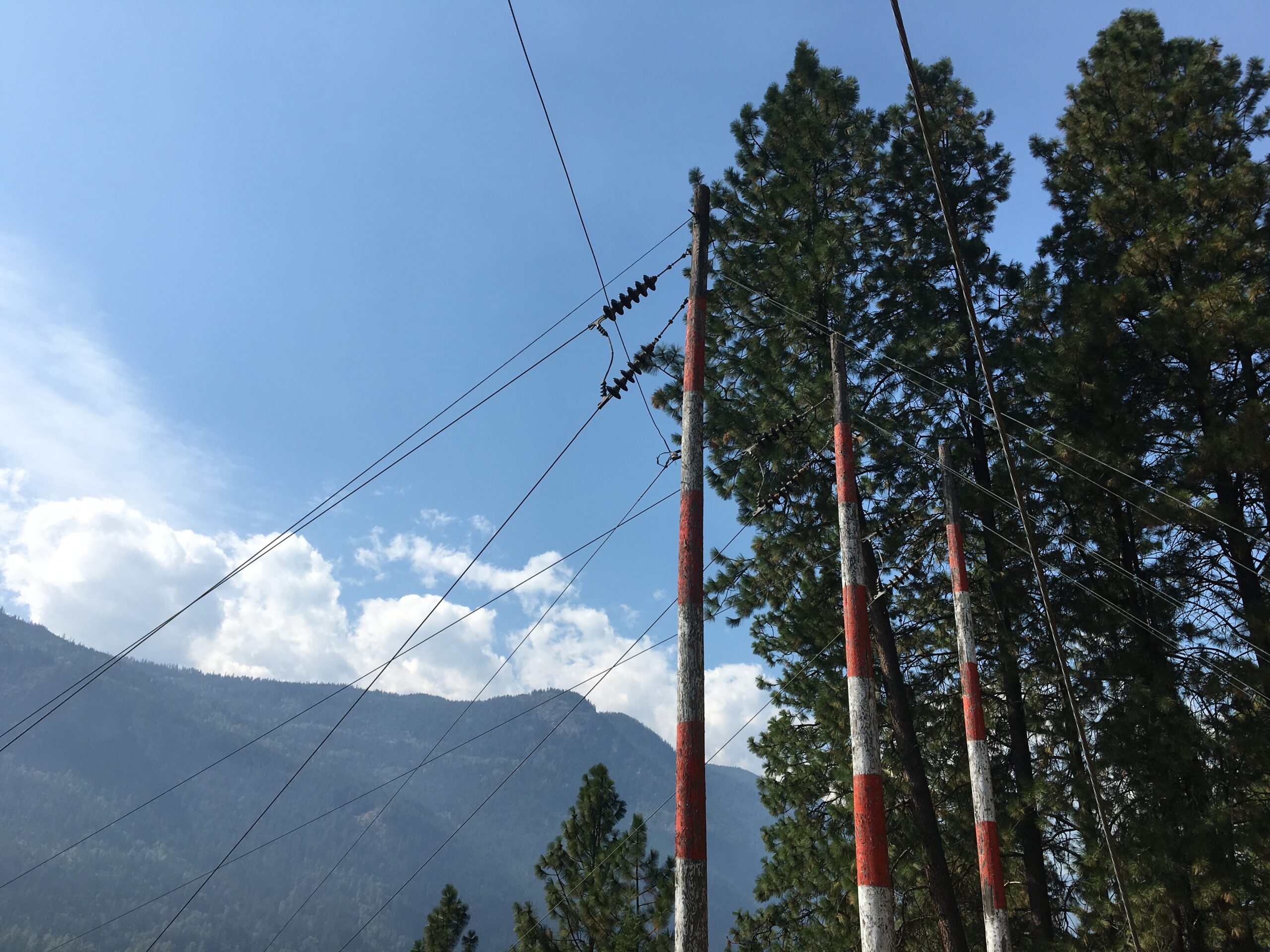
- On the transmission front, Lauren’s Capacity Enhancement initiative for BC Hydro upgraded conductors and reinforced structures to handle higher loads from electrified industrial operations.
- And in a large-scale rehabilitation, the team restored 250 structures along a 230kV transmission line across rugged terrain, replacing outdated components while minimizing environmental impact.
Each project reflects Lauren’s core strength: technical precision combined with agility in the field.
Built in Alberta, Engineered for What’s Next
The firm’s foundation is deeply western Canadian, refined through decades of industrial and energy work, including some of the highest profile projects and pipelines. Lauren is now expanding across the continent, taking their expertise and unique approach to client service to new office locations in Kelowna and Houston.
“We were built to execute with precision, innovation, and a high degree of agility,” says Rouhana. “Operators are facing power shortages, so clients are building substations and transmission lines to utility specs and handing them back. We guide that process, ensuring seamless integration while addressing environmental constraints like limited hydro resources or intermittent solar. It’s about creating power from efficiencies, like turbo expanders that harness pressure differentials in oil and gas systems to generate electricity without additional emissions.”
This adaptability is becoming increasingly valuable as the energy landscape evolves. “Every operator is trying to do more with less: more power, more uptime, less carbon,” Rouhana notes. “That’s where execution experience meets innovation. Whether we’re electrifying upstream facilities or supporting municipal distribution systems, our goal is to make every project both efficient and future-ready.”
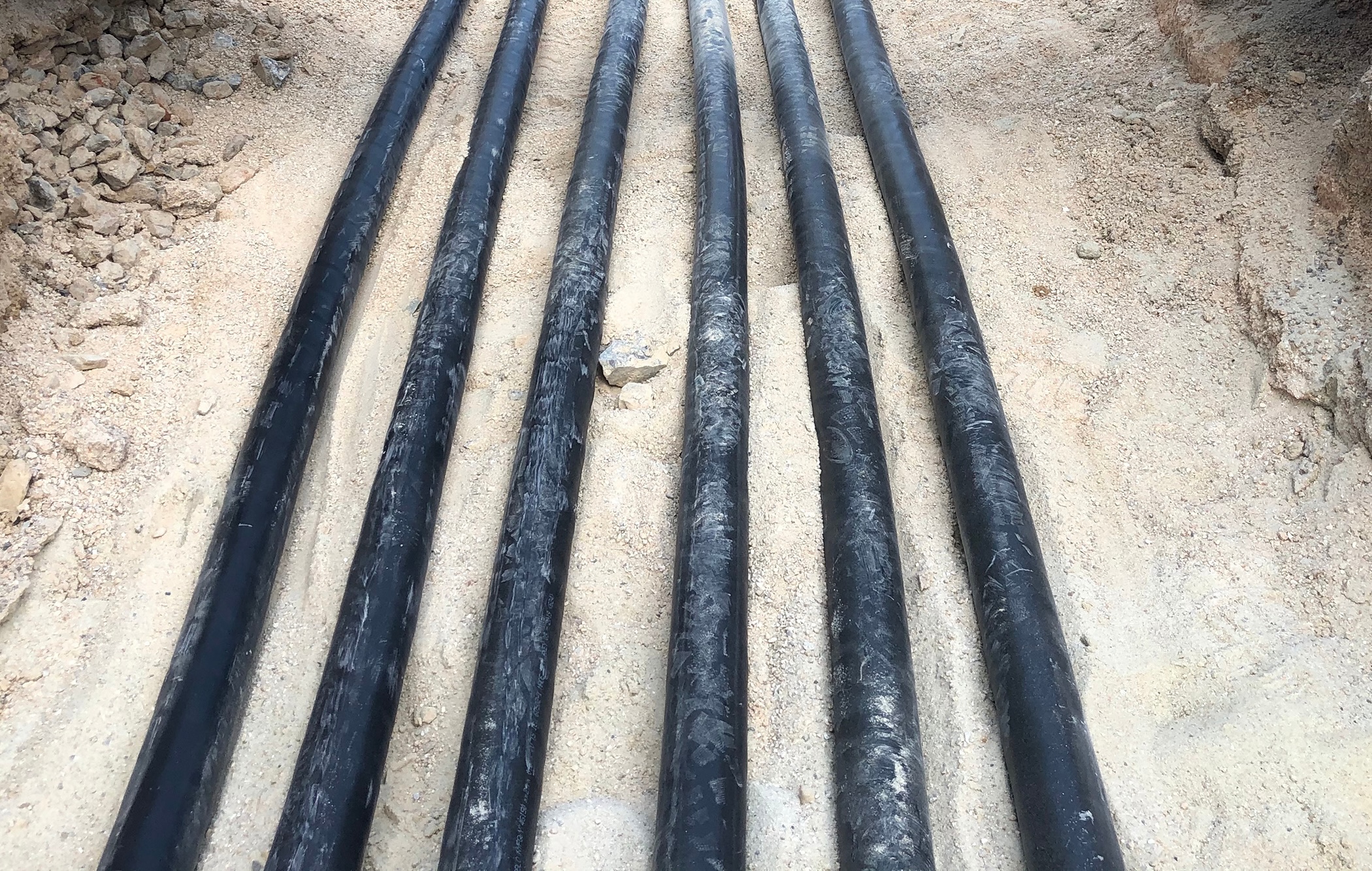
Lauren’s electrical utility expertise also extends underground. In one recent urban distribution project, the firm designed a 1.5-kilometre feeder system to replace overhead lines to improve reliability, reduce maintenance, and support future load growth.
Powering What Comes Next
As utilities and operators modernize aging systems, Lauren is expanding into protection-and-control work, a high-value, data-driven area traditionally managed in-house by major utilities. “That’s the next frontier,” says Rouhana. “Protection, control, and real-time data visibility will be central to grid resilience and decarbonization.”
Western Canada’s energy future depends on infrastructure that can handle both legacy demands and the clean-energy transition. Firms like Lauren that are local, specialized, and execution-focused are proving that modernization doesn’t require massive scale, just the right mix of expertise, collaboration, and timing.

Corporate Overview
Lauren Services is a Canadian-owned engineering and project execution firm with roots dating back to 1979. From offices in Calgary, Vancouver, Kelowna, and Houston, Lauren delivers smart, fit-for-purpose solutions across the full project lifecycle. Known for combining deep technical expertise with personal integrity, Lauren serves a diverse client base across traditional and transitional energy. Learn more at laurenservices.com.