• Sign up for the Daily Digest E-mail
  • X
  • LinkedIn
  • See more results

    Generic selectors
    Exact matches only
    Search in title
    Search in content
    Post Type Selectors

BOE Report

Sign up

See more results

Generic selectors
Exact matches only
Search in title
Search in content
Post Type Selectors
  • Home
  • StackDX Intel
  • Headlines
    • Latest Headlines
    • Featured Companies
    • Columns
    • Discussions
  • Well Activity
    • Well Licences
    • Well Activity Map
  • Property Listings
  • Land Sales
  • M&A Activity
    • M&A Database
    • AER Transfers
  • Markets
  • Rig Counts/Data
    • CAOEC Rig Count
    • Baker Hughes Rig Count
    • USA Rig Count
    • Data
      • Canada Oil Market Data
      • Canada NG Market Data
      • USA Market Data
      • Data Downloads
  • Jobs

Gulf shipping traffic via Hormuz keeps below 10-day average, data shows

September 4, 202612:06 AM Reuters0 Comments

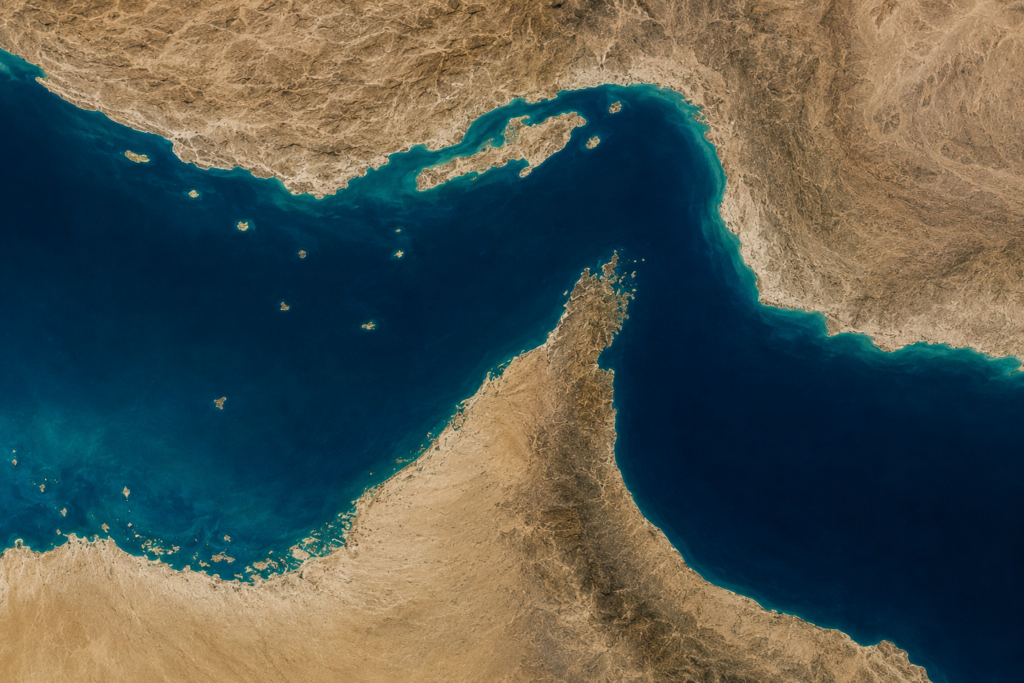
Four commodity vessels transited the key waterway of the Strait of Hormuz on Thursday, down from nine a day earlier and well below the 10-day average tally of about 15, preliminary shipping data showed.

Two medium-range tankers, a Kamsarmax carrier and a Handysize vessel made up the figure, Kpler data showed by 0455 GMT on Friday.

The figure excludes vessels that might have crossed the strait with their Automatic Identification System transponders turned off to avoid detection.

Oil prices were heading on Friday for their steepest weekly gain since mid-July, as rising tension and renewed U.S.-Iran hostilities heightened concerns over Middle East supply risks.

So far this week, Kpler data showed only two very large crude carriers crossed the strait.

Before the Iran war started on February 28, about 125 large commercial vessels went through the strait each day, including tankers, gas carriers, bulkers and container vessels, making up a fifth of global daily crude oil and liquefied natural gas supply.

A U.S. blockade of Iran-related shipping has halted Iranian crude oil exports since it was reimposed in mid-July.

During the war, daily observed oil and product exit volumes have ranged mostly between 4 million and 6 million barrels per day, except for a rise to close to pre-war level during the brief interim deal struck by Iran and the United States, Rystad Energy chief economist Claudio Galimberti said on Thursday.

“There is little that the United States and Iran currently agree on,” he told an energy summit in Singapore.

“Therefore, we expect flows to remain very low until November, as the economic costs associated with a lasting disruption continue to weigh.”

At the Bab el-Mandeb strait on the Red Sea, 22 commodity vessels crossed on Thursday, down from 31 the day before and below the 10-day average tally of 24, Kpler data showed.

(Reporting by Siyi Liu in Singapore; Editing by Thomas Derpinghaus and Clarence Fernandez)

Follow BOE Report
  • Facebook
  • X
  • LinkedIn

Sign up for the BOE Report Daily Digest E-mail

Successfully subscribed

Latest Headlines
  • Suncor posts higher third-quarter profit of $3.8B, up from $1.6B last year
  • Spartan Delta Corp. announces third quarter 2026 results, updated 2026 capital program, 2027 guidance, and increases Duvernay production target
  • Peyto Exploration & Development Corp. Announces an 8% Dividend Increase
  • Suncor Energy reports third quarter 2026 results
  • New oil and gas jobs from BOE Report Jobs

Return to Home
Alberta GasMonthly Avg.
CAD/GJ
Market Data by TradingView

    Report Error


    Note: The page you are currently on will be sent with your report. If this report is about a different page, please specify.

    About
    • About BOEReport.com
    • In the News
    • Terms of Use
    • Privacy Policy
    • Editorial Policy
    Resources
    • Widgets
    • Notifications
    • Daily Digest E-mail
    Get In Touch
    • Advertise
    • Post a Job
    • Contact
    • Report Error
    StackDX
    • BOE Report Jobs
    • StackDX Intel
    © 2026 Stack Technologies Ltd.