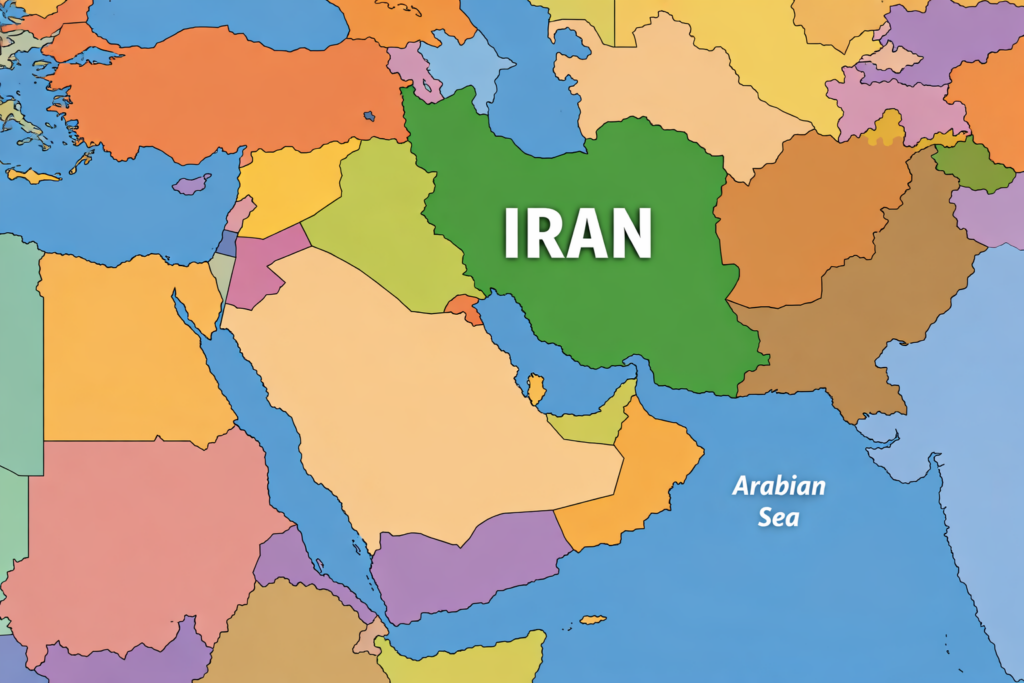
 Talks between the United States and Iran were at risk of being derailed following Tehran’s attacks on Saudi Arabian industrial facilities, two Pakistani sources with knowledge of the discussions told Reuters on Tuesday, as the hours before President Donald Trump’s threat to unleash “hell” on the nation dwindled.
The next few hours of talks are critical, one of the sources said. Trump has given Iran until 8 p.m. in Washington – 3:30 a.m. in Tehran – to end its blockade of Gulf oil or see the U.S. destroy every bridge and power plant in Iran. Iran has vowed to retaliate against U.S. allies in the Gulf, whose desert cities would be uninhabitable without power or water. Iran intensified its strikes overnight, hitting a Saudi petrochemical complex in the latest evidence of the nation’s ability to strike back against U.S.-Israeli attacks.
The five-week-old war has killed thousands across the region, mostly in Iran and Lebanon, and resulted in the worst-ever energy supply disruption in history due to the closure of the Strait of Hormuz, the key artery used to transit one-fifth of the world’s oil and gas.
Pakistan has been the main go-between for proposals shared by both sides, but there has been no sign of a compromise.
The attack on the Jubail petrochemical complex raises the risk that Saudi Arabia could retaliate, a move that would end the talks, one of the sources said, as it could also draw Pakistan into the conflict under its defence pact with Riyadh which binds both nations to fight for each other in case of a war.
In a telephone call with Saudi Crown Prince Mohammed bin Salman, Pakistan’s Prime Minister Shehbaz Sharif condemned the strikes on Saudi facilities, saying Pakistan would stand shoulder-to-shoulder with its Saudi brothers and sisters.
MESSAGES BEING EXCHANGED
“We are in touch with the Iranians. They have lately shown flexibility that they could join the talks, but they are at the same time taking hard lines as a prerequisite for any negotiations,” the Pakistani security source said.
He added that Islamabad was persuading Tehran to enter negotiations without prior conditions.
Iran’s foreign ministry spokesperson said on Monday that messages are still being exchanged between Iran and the U.S. via mediators.
A senior Iranian source said Tehran had rejected a proposal for a temporary ceasefire with talks dependent on an end to U.S.-Israeli strikes and compensation for damages.
Pakistan’s foreign office said on Tuesday that the strikes on Saudi Arabia constitute a dangerous escalation.
“Such unwarranted aggressions have serious repercussions, to spoil the ongoing peaceful options and conducive environment,” added a Pakistani army statement after top commanders met with army chief Asim Munir.
Pakistan wants to avoid being pulled into the war, which could wreak havoc along its shared western border with Iran and roil discontent among its large Shi’ite population, the second-largest in the world after Iran.
Analysts say the defence agreement may not trigger immediate military action but could be activated if conflict escalates.
Iran’s willingness to risk embarrassing Pakistan at a time when “it is crucial to brokering a ceasefire reveals just how committed Tehran is to a tit-for-tat strategy that punishes the Gulf for U.S. and Israeli strikes,” said Adam Weinstein, an expert on Pakistan, Afghanistan and U.S. politics at the Quincy Institute.
(Reporting by Asif Shahzad, Ariba Shahid and Parisa Hafezi; Writing by Saad Sayeed; Editing by YP Rajesh, Andrew Cawthorne and David Gaffen)