Regardless of when or where they happen, invisible gas leaks are difficult and time-consuming to detect, especially when using outdated inspection methods, and when there are many components to inspect.
As previously discussed in detail in our earlier blog, there has been a major shift in how the government will regulate methane and other greenhouse gas emissions that contribute to global warming. Specifically, we covered the EPA’s New Source Performance Standards (NSPS) “OOOOb” and Emissions Guidelines (EG) OOOOc. These updates are additions to the 2015 regulations known as “OOOOa,” which first established optical gas imaging (OGI) as the best system of emission reduction. EPA legislation and guidance are greatly impacting leak detection and the Oil and Gas (O&G) industry to protect the environment.
To match the recent regulations, affected O&G organizations need to ensure that they have the right personnel, training, and tools to complete the mission, especially handheld gas detection tools that will be able to quickly detect and measure leaks.
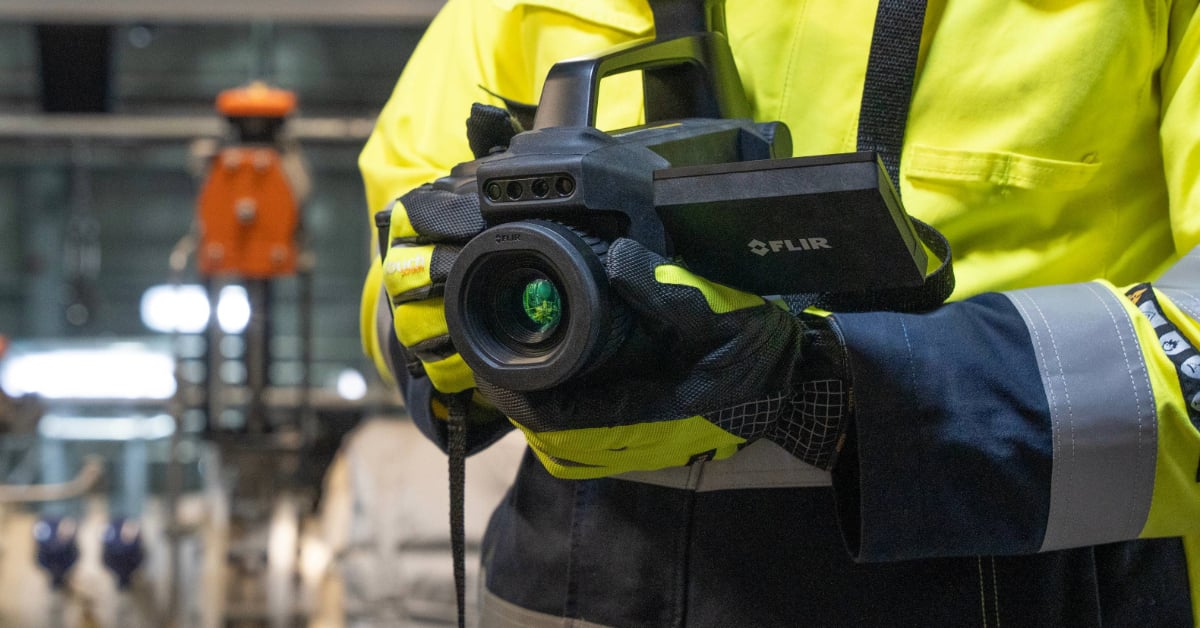
With this in mind, it is fitting to introduce the new FLIR G-Series Optical Gas Imaging (OGI) cameras. The FLIR G-Series features a family of high-tech, cooled-core OGI cameras that can help leak detection and repair (LDAR) professionals seamlessly locate, quantify, and document harmful gas emissions.
With its purpose-built approach and new features, FLIR OGI cameras enable inspectors to detect leaks faster and pinpoint the source immediately, leading to prompt repairs, reduced industrial emissions, and greater conformity to regulations.
Importantly, the FLIR G-Series now supports quantification analytics with onboard GPS that accurately measures the type and size of leaks, eliminating the need for a secondary device. This reduces time in the field and supports the documentation now required.
Read the rest of this article to explore further details about the latest EPA regulations and the significance of employing enhanced technology and tools for OGI leak detection.
Video: