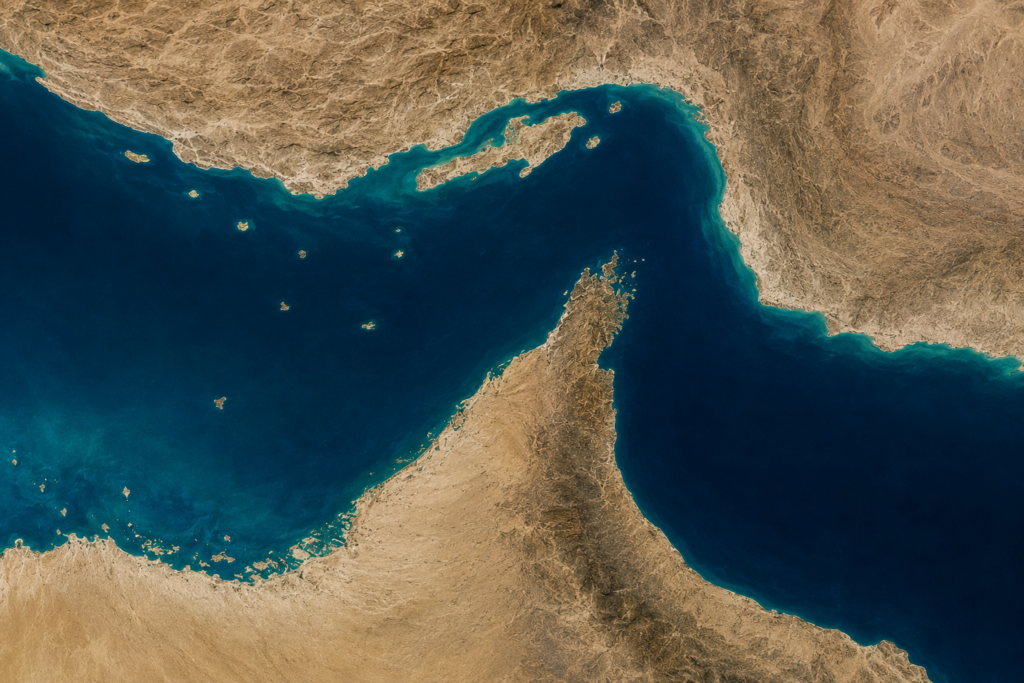
 Oil transfers between tankers in waters outside the Strait of Hormuz have slowed following a wave of recent attacks on vessels by Iranian forces, according to satellite analysis and sources.
Since the start of the Iran war in late February, ship-to-ship (STS) transfers between tankers have helped enable oil to leave the Gulf despite the threats to commercial vessels sailing through the Strait of Hormuz.
Under the practice, tankers using one of two makeshift routes close to either the Iranian or Omani coast have shuttled cargoes through the waterway with clearance from either Washington or Tehran.
Ships waiting in open waters outside the strait can then load the oil without having to make their own complex transit arrangements or get approval from their insurers. In June, Reuters reported that the U.S. military had helped vessels through as part of an operation involving scores of secretive ship-to-ship oil transfers to keep Gulf energy exports flowing, using aerial and water drones as well as helicopters to guide tankers. Those transfers have taken place in the Gulf of Oman. However, the latest satellite imagery from July 18 reviewed by Reuters showed just one pair of tankers involved in ship-to-ship transfers outside Hormuz off Oman’s coast. Three pairs of vessels were visible on July 11.
OIL SHIPMENTS THROUGH HORMUZ ASSURED, U.S. SAYS
Satellite outages and limited public ship tracking data have meant that the full amount of oil exported from the Gulf is not fully known. But maritime sources said that traffic has dropped.
Two maritime sources familiar with the matter told Reuters that only two or three STS transfers were believed to have taken place in recent days.
Sailings through the strait, meanwhile, have fallen to an average of two supertankers per day over the past week, down from five supertankers the previous week and an average of eight daily crossings in late June and early July, ship broker Clarksons said on Monday.
Each supertanker can carry a maximum of 2 million barrels of oil.
Starting in early May, the U.S.-assisted initiative enabled the export of tens of millions of barrels of oil, helping dampen the impact on energy prices of the largest-ever disruption in oil and gas supplies. Some shipping companies are now avoiding using the U.S. military-guided transit scheme, however, after a wave of Iranian attacks on vessels sparked safety concerns, sources told Reuters last week. Iran’s Revolutionary Guards said on Monday two oil tankers had “exploded” and were immobilised after attempting to transit the strait via an “unsafe” route.
U.S. Energy Secretary Chris Wright in an interview with U.S. outlet ABC News on Sunday said Washington would continue to assure traffic through the strait “without Iran’s cooperation”.
He also said public ship tracking data he had seen was “incorrect”.
“The seven-day trailing average right now is just under 7 million barrels a day flowing through the waterway and just under 7 million barrels a day additional flow through the bypass pipelines,” Wright said.
“So, we’re at a little under 14 million barrels a day… That’s two-thirds of pre-conflict traffic, dramatically up from where we were back in March.”
(Reporting by Jonathan Saul; Editing by Joe Bavier)