• Sign up for the Daily Digest E-mail
  • X
  • LinkedIn
  • See more results

    Generic selectors
    Exact matches only
    Search in title
    Search in content
    Post Type Selectors

BOE Report

Sign up

See more results

Generic selectors
Exact matches only
Search in title
Search in content
Post Type Selectors
  • Home
  • StackDX Intel
  • Headlines
    • Latest Headlines
    • Featured Companies
    • Columns
    • Discussions
  • Well Activity
    • Well Licences
    • Well Activity Map
  • Property Listings
  • Land Sales
  • M&A Activity
    • M&A Database
    • AER Transfers
  • Markets
  • Rig Counts/Data
    • CAOEC Rig Count
    • Baker Hughes Rig Count
    • USA Rig Count
    • Data
      • Canada Oil Market Data
      • Canada NG Market Data
      • USA Market Data
      • Data Downloads
  • Jobs

IHS report forecasts 16 to 23 per cent emissions intensity drop for oilsands

September 13, 201812:33 PM The Canadian Press0 Comments

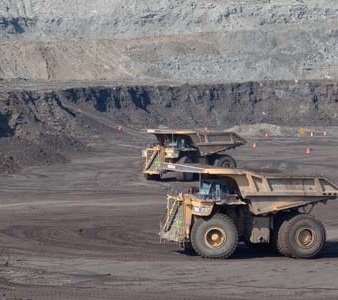
Dump truck working in oil sands

CALGARY – A new report by research firm IHS Markit forecasts the intensity of oilsands emissions to improve by between 16 and 23 per cent by 2030.

The report by IHS vice-president Kevin Birn found emissions intensity, which measures how much greenhouse gas emissions are produced per barrel of crude, to have already dropped by 21 per cent between 2009 and 2017.

Birn says the intensity of mining-based oilsands operations stood at an average of 83 kilograms of carbon dioxide per barrel last year, while steam-based operations averaged 63 kilograms of carbon dioxide per barrel.

Different methodologies on the issue have resulted in varying estimates on emissions intensity. The Pembina Institute said in a 2017 report that the emissions intensity from oilsands operations had increased by nine per cent between 2004 and 2015.

Birn says future emissions improvements will be driven by efficiency improvements as new projects come online and vary significantly by project. Emissions intensity for mining projects ranged from 39 to 127 kilograms of carbon dioxide per barrel in 2017.

He says policies introduced in recent years, including intensity-based carbon pricing, an absolute cap on oilsands emissions, and a proposed national carbon pricing will help drive improvements.

Follow BOE Report
  • Facebook
  • X
  • LinkedIn

Sign up for the BOE Report Daily Digest E-mail

Successfully subscribed

Latest Headlines
  • How much oil do G7 countries hold in emergency reserves?
  • Broad agreement in G7 not to release oil reserves just yet, says G7 official
  • Barrel Oil Corp – Property Divestiture
  • Westgate Energy announces intention to launch warrant exercise incentive program and operational update
  • Canada and natural gas and fertilizer and get on it

Return to Home
Alberta GasMonthly Avg.
CAD/GJ
Market Data by TradingView

    Report Error


    Note: The page you are currently on will be sent with your report. If this report is about a different page, please specify.

    About
    • About BOEReport.com
    • In the News
    • Terms of Use
    • Privacy Policy
    • Editorial Policy
    Resources
    • Widgets
    • Notifications
    • Daily Digest E-mail
    Get In Touch
    • Advertise
    • Post a Job
    • Contact
    • Report Error
    BOE Network
    © 2026 Stack Technologies Ltd.