Most operations have become a data spiderweb as Industry 4.0 brought IIoT and data monitoring and control systems to the field. Operations teams now face the challenge of monitoring more data from more sources, with mounting compliance responsibilities. These challenges are not new, but a worsening labour shortage, and cognitive overload on workers, is leading to more downtime, incident risk and higher OPEX costs.
In its latest white paper, EZ Ops examines why oil and gas operations are at a pivotal moment of change.
To generate more performance from upstream operations, producers are looking to technology to synthesize inputs from hardware, software, and infrastructure systems to reduce the complexity of operator decisions while streamlining communication and reporting. Looking at E&P companies who lead in operational excellence, some core success factors emerge.
White paper: Operational excellence through to the oil and gas frontline
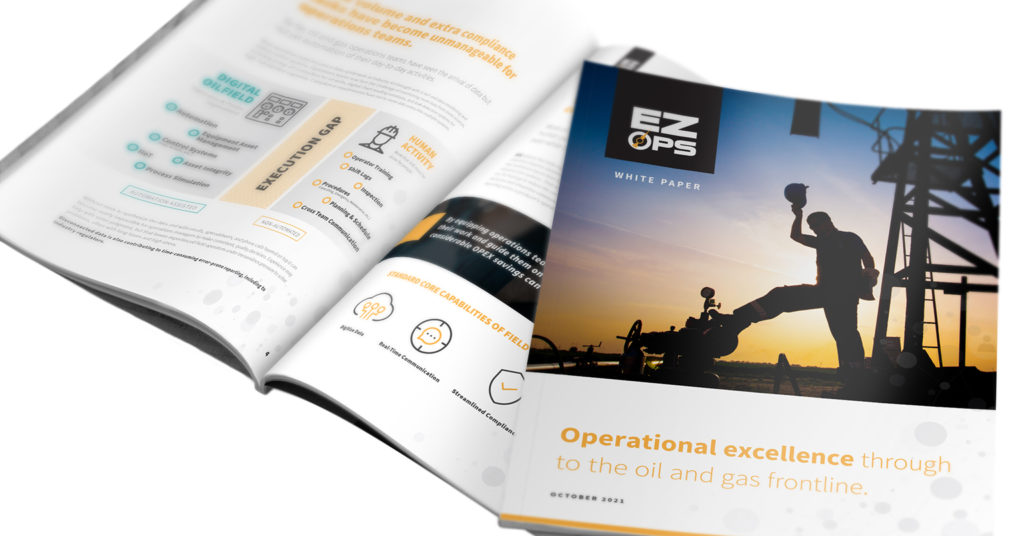
The need for operational excellence in the oil and gas industry has never been greater. Learn why and how to compete best.
Industry demands are converging to make this a defining moment for operational excellence in oil and gas:
1: Rising OPEX costs and field incidents are motivating change through to the frontline.
Each frontline worker in the oil and gas industry in North America controls about $8.5 million in value every year. They manage about $1.5 million in OPEX and pull about $7 million worth of commodities from the ground. That’s an enormous responsibility, but there’s a breakdown between corporate goals and daily operations activity for most producers in the industry.
According to McKinsey, upstream companies can save as much as $37 billion by 2030 by improving maintenance and field operations.
2: Forecast labour shortages are set to put more pressure on the field.
Operations teams continue to face pressure to do more with less. As the wave of retirements hits, the shortage of people to do operations work will grow. The majority of oil and gas job openings are now due to attrition due to aging.
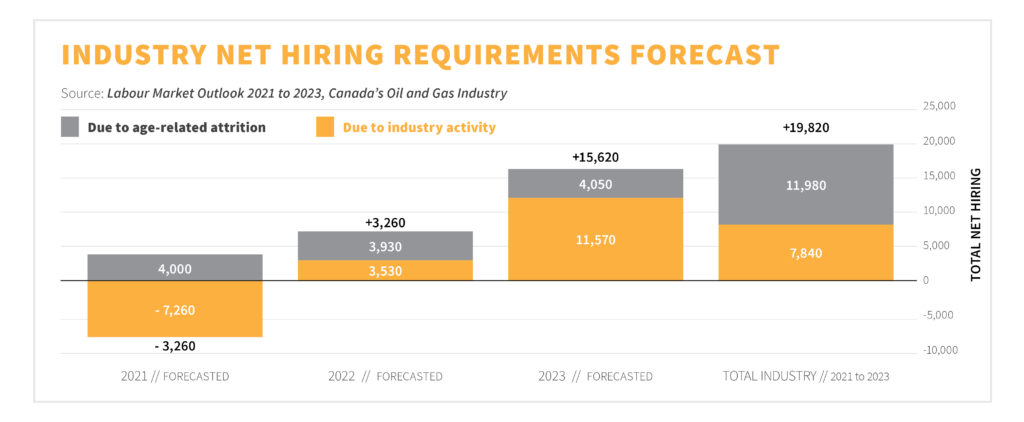
In 2022 and 2023, the industry is forecast to increase productivity by improving efficiency, competitiveness, and sustainability rather than by increasing production. Data, digitization, and automation will be utilized to do this.
3: Data volume and extra compliance tasks have become unmanageable for operations teams.
Email, spreadsheets, and phone calls make it nearly impossible for operations managers and lead operators to synthesize information. The result is inconsistent, poor-quality decisions. Having experience can provide some guidance, but it also puts rare experienced operators under immense pressure to solve problems, often during long hours at high stress levels.
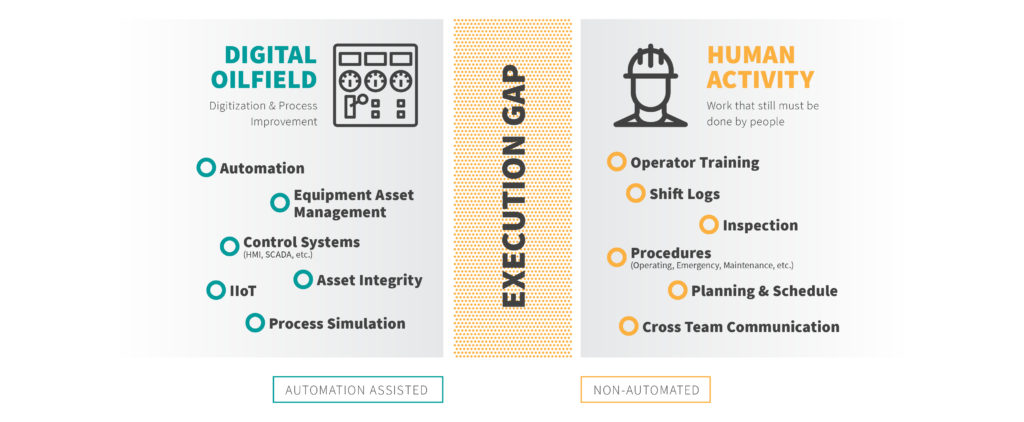
Source: EZ Ops
Disconnected data and overwhelmed operations teams are leading to millions worth of unplanned downtime, shutdowns, increasing safety incidents, and error-prone compliance reporting to industry regulators.
4: New tools are required to guide operator decisions as retirements continue.
Companies are using technology to augment their operations teams’ human performance to address the labour shortage. Technology can reduce the complexity of operator decisions while streamlining communications and reporting.
Technology that predicts top priorities for operations teams has shown to reduce OPEX by more than 15% while safeguarding compliance and lightening worker cognitive load.
White paper: Operational excellence through to the oil and gas frontline
Learn about modern challenges facing oil and gas operations and the impact of digital tools on performance.