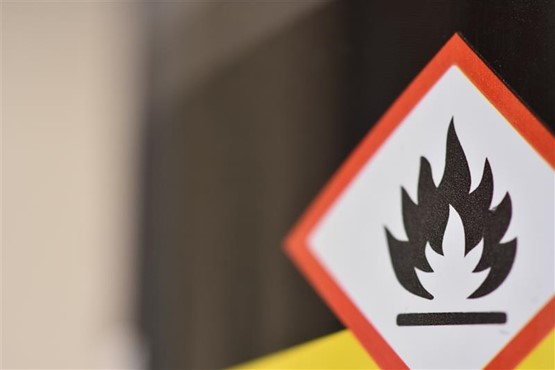
Fire injuries occur when hands are exposed to direct or indirect flame, and—combined with the heat present—cause burn injuries. The depth of the skin damage determines the severity of the injury, anywhere from first-degree burns to third-degree burns.
The key to reducing these types of injuries is by wearing fire-resistant (FR) safety gloves. FR gloves are designed to resist heat and flame exposure and are made from materials that can withstand high temperatures and prevent heat transfer to the wearer’s hands.
In this article, we will discuss the key materials used in manufacturing safety gloves designed for fire hazards.
Materials used in fire-resistant gloves
FR materials are either treated to resist flames or made from inherently fire-resistant materials.
- Leather is inherently fire resistant and a frontrunner to protect against fire. Its solid outer shell provides a natural barrier that makes it hard for flames or heat to penetrate.
- Wool is an inherently fire-resistant natural fiber that forms an insulating layer to prevent flames from spreading further. It is not flammable and has a very high ignition temperature, preventing it from easily catching fire. If it does catch fire the wool will burn slowly and, when the fire source is removed, the fibers self-extinguish.
- Cotton is a natural fiber that provides natural heat resistance. However, cotton must be treated with chemicals that resist fire in order to be fire resistant.
- Aramids—para-aramid and meta-aramid—are synthetic fibers that are inherently fire resistant due to their chemical structure. For FR gloves, aramids are often selected because of their superior natural mechanical protection, particularly para-aramids, since they offer protection against other hazards, such as cut and abrasion.
- Modacrylic is a synthetic fiber that is inherently fire resistant. But, unlike aramids, it lacks any type of mechanical protection. This is why modacrylic is often blended with other materials (natural or synthetic) to improve mechanical protection and comfort.
- PVC is a synthetic plastic material and naturally fire resistant. PVC offers natural resistance to a lot of chemicals and is ideal for working in frigid temperature as it won’t stiffen.
- Neoprene is a synthetic rubber material and naturally fire resistant. Neoprene is primarily used for its natural high fire resistance. Neoprene palm coatings are often used in knit gloves to achieve arc flash protection (a more severe form of fire hazard).
- Silicone rubber material and naturally fire resistant. It offers high heat resistance, as it has a very high melting point, and good abrasion and puncture resistance. It is also adhesive resistant.
Notes:
1. Inherently fire-resistant materials are better for fire resistance in the long term because treated materials eventually lose their fire-resistant properties from wear and washing.
2. Every material has a melting point, and every material will eventually ignite and catch fire. What is important is how much of that material will burn over time and how quickly it extinguishes itself.
Learn More
To learn more, we’ve created a more in-depth guide that expands on the fundamentals of FR hand protection, including a better understanding of the underlying forces that cause fire injuries and safety standards and tests for FR gloves. Click here to read more.
By: Superior Glove, leading safety glove innovator