Excess water in CO2 streams can lead to severe project risks, including equipment failure, blocked pipelines, and compromised system integrity. Without accurate data and a clear strategy, saturated CO2 can cause significant operating challenges. Technology selection during a CO2 injection project impacts profitability, safety, and longevity.
A comprehensive CO2 dehydration study is the key to preventing these risks. It provides the clarity you need to make informed technology decisions, ensuring your operations remain safe, reliable and efficient.
The Hidden Threat of Water in CO2 Streams
Excess water in CO2 streams poses significant risks, including:
- Pipeline Corrosion:
Water reacts with CO2 to form carbonic acid, which can rapidly erode infrastructure. - Hydrate Formation:
Under high-pressure conditions, water can crystallize, causing blockages that disrupt operations. - Reduced Injection Efficiency:
High water content undermines injection reliability, leading to expensive maintenance and unplanned downtime.
Water content targets typically range from 10 ppm to 50 lb/MMscf, depending on your transportation strategy, materials selection, and injection goals. For projects involving long pipelines or stringent injection requirements, managing water content isn’t optional—it’s essential.
Why a Dehydration Study Is Your Vital First Step
The right dehydration study transforms uncertainty into clarity. It will provide actionable insights to guide your project and give you confidence with decision-making.
Here’s how:
- Define Project Objectives and Constraints:
- Document your project’s goals, specifications, and concerns. A clear starting point ensures alignment across project teams.
- Understand the Composition of your Gas Stream:
- Analyze the composition of your CO2 stream, identifying contaminants that may affect dehydration technology performance.
- Clear Evaluation of Dehydration Technology Options:
- Compare technologies based on CapEx, OpEx, operability, and scalability. Focus on solutions that align with your team’s expertise and long-term project needs.
- A Transparent and Unbiased Analysis:
- Selecting dehydration technology often involve trade-offs between cost, efficiency, and future expandability. A comprehensive study gives you the confidence to choose the right solution without surprises.
Comparing CO2 Dehydration Technologies
Selecting the right technology depends on your project’s specific needs. A breakdown of common options is below:
- Glycol Absorption Dehydration using Tri-Ethylene Glycol (TEG):
- Desiccant Adsorption Systems:
- Semi-Permeable Membranes:
- Chiller/Refrigeration Systems:
* Detailed characteristics have been compiled for each of these technologies and are available for review by downloading the full dehydration paper. A direct link is located at the bottom of this article.
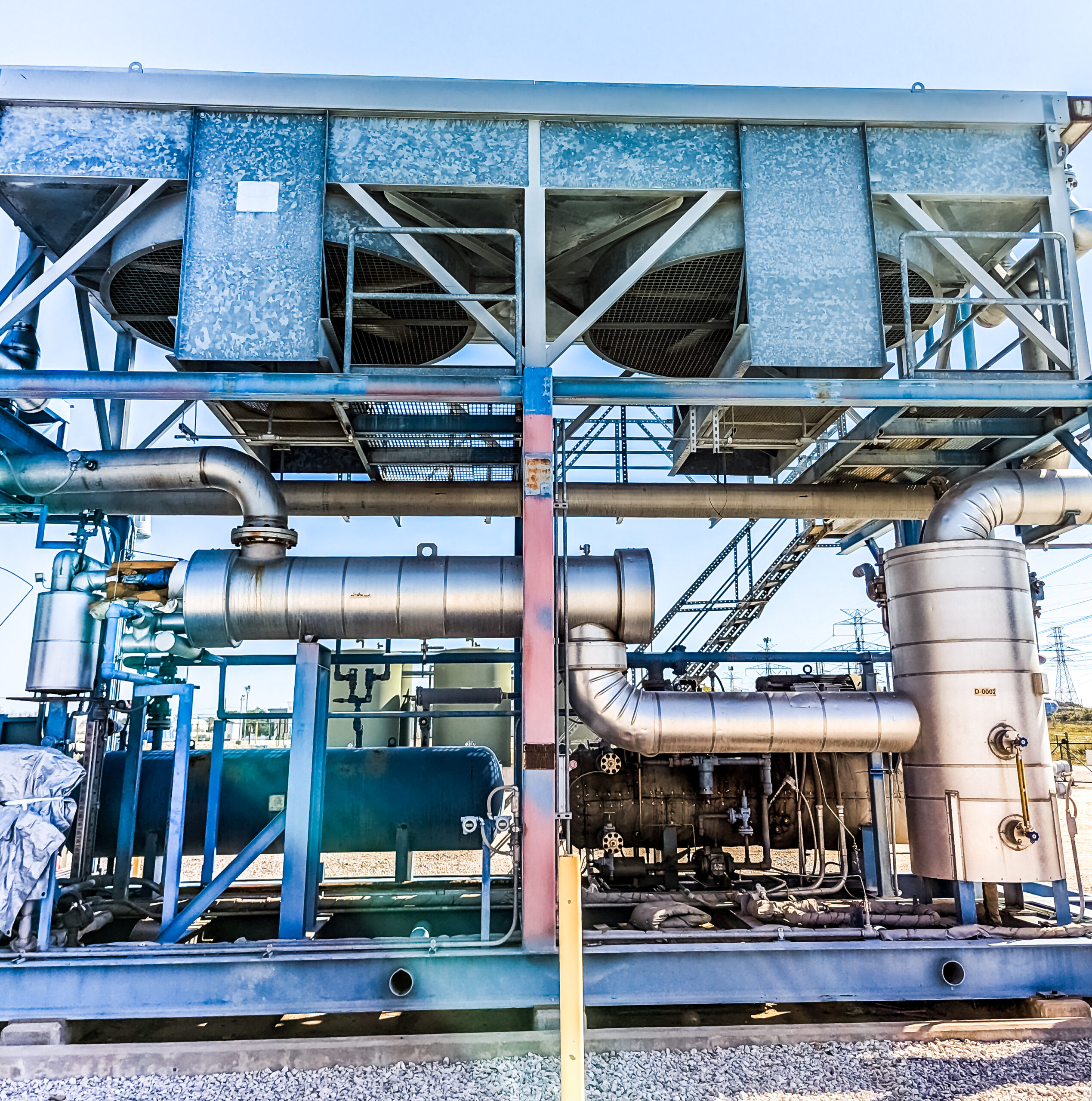
Real-World Success: Evaluation Findings for CO2 Dehydration
In a recent CO2 injection project, CANUSA EPC was asked to evaluate dehydration options for reducing water to a 25 lb limit in the gas stream prior to injection.
The framework of their evaluation can be considered a minimum viable standard for dehydration analysis.
- Reliability
- Uptime
- CapEx and OpEx
- Safety
- Schedule Risk
- Operability/Ease of Maintenance
- Stakeholder Support
- Environmental Impact
- Expansion Potential
The following dehydration solutions were evaluated to determine which technology would best meet the client’s requirements:
- Traditional TEG
- Chiller Package
- Integrated DEXPro solution
The result?
*A detailed comparison table is available for review by downloading the full dehydration paper. A direct link is located at the bottom of this article.
In this client’s case, DEXPro stood out for its integration capabilities, environmental efficiency, and alignment with the client’s sustainability goals.
Download the Full Case Study on CO2 Injection & Dehydration:
Access the comparison of key technologies presented in this article by downloading CANUSA EPC’s paper. Click here for access: https://canusaepc.com/resources/whitepapers-e-books/
Embarking on a CO2 injection project without a dehydration study is like flying blind. Start with this critical step and ensure the dehydration study follows the framework within the paper – before assembling your project team.