 *Record natgas demand since nearly 2010 seen extending to 2025, 2026
*Power costs up 35% in past 4 years amid lack of gas pipeline capacity -EQT
*US LNG capacity will almost double over the next few years
*NextEra sees 55% jump in power demand in next 20 yrs, 17% of that from AI
By Georgina McCartney and Scott DiSavino
HOUSTON, March 12 –
U.S. natural gas use is set to continue hitting record highs due to soaring liquefied natural gas (LNG) demand and power consumption from data centers, executives said at a conference this week, while also warning a lack of infrastructure could hurt the industry.
The U.S. is the world’s largest gas producer and is expected to produce some 105.2 billion cubic feet per day (bcfd) this year, according to U.S. government data. Demand has already hit a record nearly each year since 2010, but some markets in the U.S. have been hampered by lack of available pipeline space.
Pipeline capacity has not caught up with production after a series of project cancellations over the last eight years, according to Toby Rice, CEO of EQT, the No. 2 U.S. gas producer.
This has contributed to a 35% rise in electricity costs for U.S. consumers in the last four years, he said.
“We have the gas, we just don’t have the pipelines to get it to places, so now you see a situation where it doesn’t matter how much we produce,” Rice said in an interview on the sidelines of the conference.
“Energy bills are still going up as political forces have overridden market forces.”
EQT’s 300-mile (483-km) Mountain Valley pipeline, which transports up to 2 bcfd of gas from West Virginia to Virginia, ran at full capacity last winter, Rice said.
The project was slated to cost $3.5 billion, but ultimately costs totaled $8 billion following eight years of delays, Rice said.
Moving gas from the Permian basin in Texas and New Mexico and other shale regions in the Northeast U.S. or Midcontinent for LNG exports requires significant pipeline investment, said Pierce Norton, president and CEO of pipeline company, ONEOK.
“That requires a lot of pipe to get it down here,” he said, referring to the U.S. Gulf Coast.
LNG DEMAND, DATA CENTERS
The U.S. Energy Information Administration (EIA) projected total gas consumption, including exports, would rise from a record 102.3 bcfd in 2024 to 105.5 bcfd in 2025, and 107.6 bcfd in 2026.
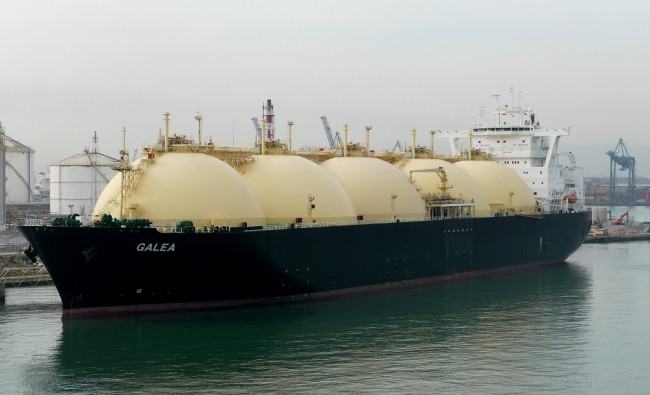
Booming LNG exports should remain the biggest source of gas demand growth in coming years, according to a federal energy outlook. U.S. LNG exports have hit record highs every year since 2016 when the first major LNG export facility in the U.S. lower 48 states came online.
Freeport LNG’s plant in Texas is running its pipe infrastructure at full capacity, its CEO, Michael Smith, said at the conference.
The U.S. became the world’s biggest LNG supplier in 2023, surpassing Australia and Qatar.
With plants currently under construction, U.S. LNG capacity will almost double from around 13.8 bcfd in 2024 to 24.7 bcfd in 2028.
The industry has also received a boost from U.S. President Donald Trump, who in January lifted a moratorium on new LNG export plant permits imposed by his predecessor.
Surging demand from power-hungry data centers that are fueling a boom in artificial intelligence is also expected to push up demand for natural gas.
The world’s largest renewable energy producer NextEra Energy expects a 55% jump in power demand over the next 20 years versus the prior two decades, CEO John Ketchum said, with some 17% of that demand growth expected to come from the boom in AI.
Benchmark Henry Hub natural gas futures hit their highest since December 2022 at $4.49 per million British thermal units on Monday, having settled below $4 per million British thermal units every day last year and most of 2023, according to data from LSEG.
(Reporting by Scott DiSavino and Georgina McCartney; Editing by Liz Hampton and Marguerita Choy)