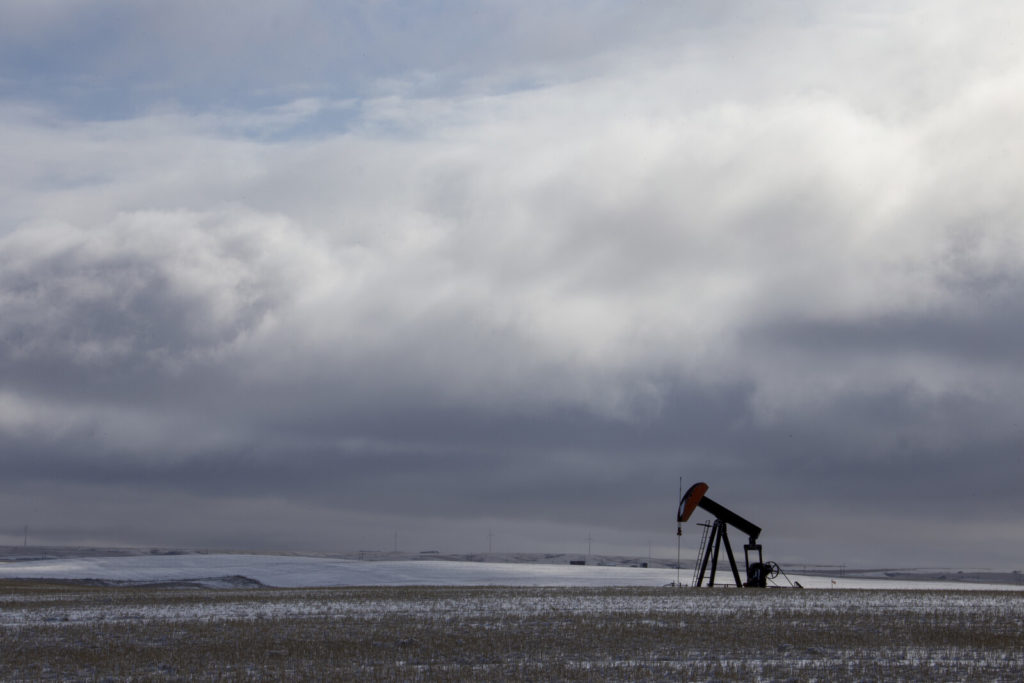
 U.S. President Donald Trump’s sweeping tariffs are set to raise operating costs, disrupt supply chains and weaken investment momentum for the oil and gas industry in 2026, a report published by Deloitte showed on Wednesday.
WHY IT’S IMPORTANT
The energy industry relies heavily on global supply chains and internationally sourced materials such as drilling rigs, valves, compressors and specialized steel are central to their operations.
U.S. tariffs on these components and other key input materials, including steel, aluminum and copper, could increase material and service costs across the value chain by 4% to 40%, potentially compressing industry margins, the report said.
CONTEXT
The U.S. has imposed tariffs on a wide range of imports, including 10% to 25% on crude feedstocks not covered by the United States-Mexico-Canada Agreement and 50% on steel, aluminum and copper.
The tariffs could reshape the oil and gas industry’s cost structure and add uncertainty around feedstock sourcing, Deloitte said in its report.
KEY POINTS
Inflation and financial uncertainty sparked by the tariffs could push final investment decisions (FIDs) and offshore greenfield projects worth more than $50 billion to 2026 or later.
As a result, operators may struggle to recover higher costs, which could eventually dampen investment activity in the sector, the report said.
As input costs climb and cascade through the value chain in the form of pricing adjustments, Deloitte expects oil and gas companies will renegotiate contracts with escalation and force majeure clauses to share risks and limit exposure to volatility.
WHAT’S NEXT
The ongoing disruptions could drive companies to prioritize supply chain resilience over lowest-cost sourcing and shift to domestic or non-tariffed suppliers and use foreign trade zones or tariff reclassification to manage duties, Deloitte said.
“This shift is significant given the United States’ reliance on imports, with nearly 40% of oil country tubular goods demand in 2024 met through foreign sources.”
(Reporting by Vallari Srivastava in Bengaluru; Editing by Maju Samuel)