 The war in the Middle East is creating the biggest oil supply disruption in history, the International Energy Agency said on Thursday, a day after it agreed to release a record volume from strategic stockpiles to offset shortages and a spike in prices.
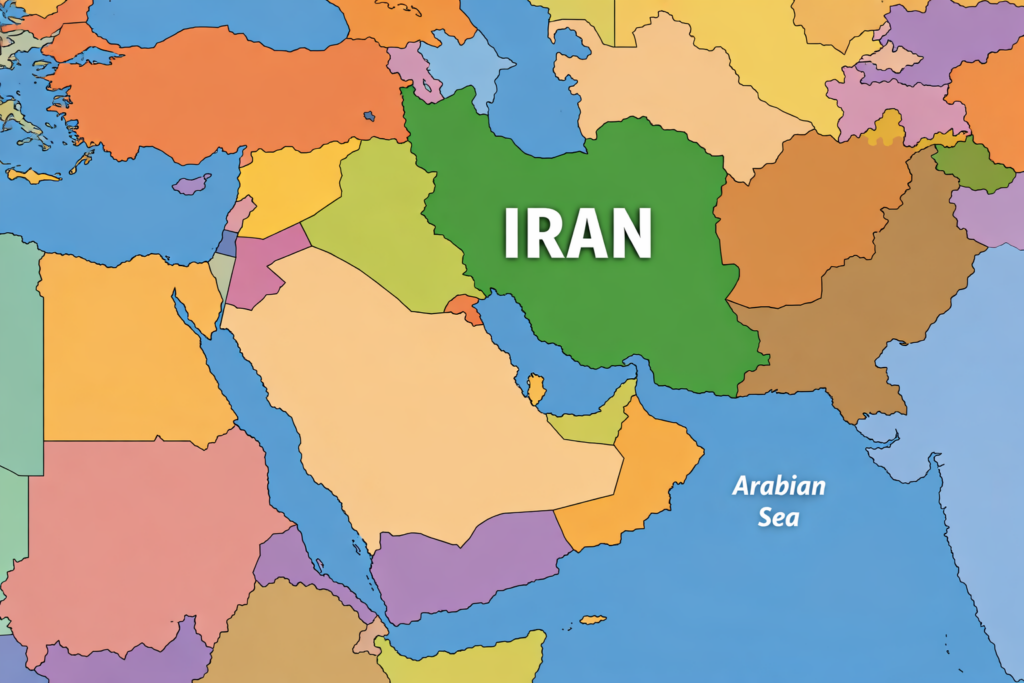
Global supply is expected to drop by 8 million barrels per day in March, the IEA said in its latest monthly oil market report – a volume equal to almost 8% of world demand – due to the blocking of the Strait of Hormuz, a narrow channel along the Iranian coast, since the U.S. and Israel began airstrikes on Iran on February 28.
The outlook from the IEA, which advises industrialised countries, contrasts with its earlier warnings of a sizeable surplus on the market for the first quarter of 2026.
It added, however, that supply could rise in April as some Middle East Gulf producers use alternative export routes to bypass the Strait of Hormuz, and said that, for the year, production would still expand more quickly than global demand.
GULF PRODUCTION SLASHED AMID CONFLICT
Oil prices rose on Thursday, as Iran stepped up attacks on oil and transport facilities across the Middle East, raising fears of a prolonged conflict and continued oil-flow disruptions through the Strait.
Brent crude, which hit $119.50 a barrel on Monday, its highest since mid-2022, was up 5% on Thursday at just below $97 a barrel.
Middle East Gulf countries including Iraq, Qatar, Kuwait, the United Arab Emirates and Saudi Arabia have cut total oil production by at least 10 million barrels per day as a result of the conflict, the IEA said, adding that without a rapid restart of shipping flows these losses were set to increase.
“Shut-in upstream production will take weeks and, in some cases, months to return to pre-crisis levels depending on the degree of field complexity and the timing for workers, equipment and resources to return to the region,” the agency said.
MARKETS ARE IN CRITICAL PERIOD
The IEA on Wednesday agreed to release a record 400 million barrels of oil from strategic stockpiles held by member nations to combat a spike in prices since the start of the war on Iran.
IEA Executive Director Fatih Birol, speaking in Istanbul, said the agency’s decision had already had a “strong impact” on energy markets, which were in an “extremely critical period.” He declined to respond to a question on the daily pace of release from stockpiles.
The Middle East crisis was also curbing oil demand as airlines cancel flights, the IEA said, while a more precarious economic outlook and higher prices were posing a risk to the demand forecast.
World demand was expected to be around 1 million bpd lower than earlier estimates during March and April, the IEA said. For the year, world demand in 2026 was expected to rise by 640,000 bpd, down 210,000 bpd from the previous forecast, and about half the rate forecast by producer group OPEC on Wednesday.
WORLD SUPPLY STILL EXPECTED TO RISE IN 2026
Despite the cuts in March production, the agency still expected oil supply to rise faster than world demand, on average, in 2026.
World supply would rise by 1.1 million bpd, the IEA said, down from 2.4 million bpd expected last month.
Overall, the IEA forecasts imply that supply will be higher than demand by 2.46 million bpd in 2026, a reduction from a 3.73 million bpd surplus in last month’s report.
Efforts by Saudi Arabia and the UAE to use export routes that bypass the Strait of Hormuz were steadily ramping up, the IEA said, and were among plans that could help partially offset losses and provide a rise in global oil supplies from April through June.
(Reporting by Alex Lawler; additional reporting by Ezgi Erkoyun. Editing by Alex Richardson)