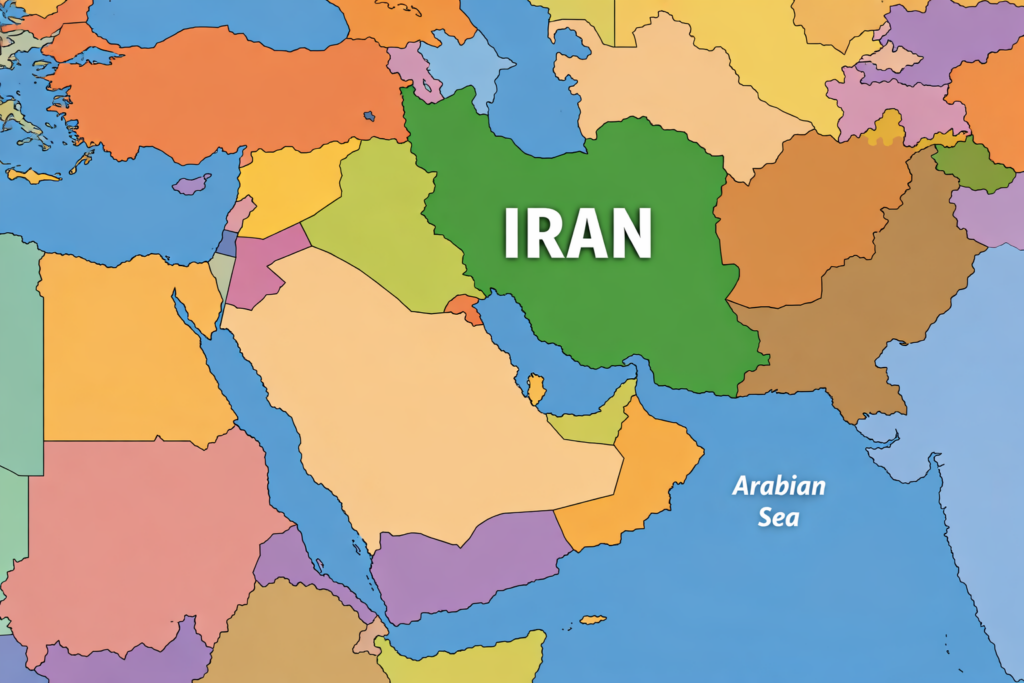
 The U.S. and Iran are set to hold peace talks in Pakistan, which has been mediating, but remain deeply divided on key issues, even though President Donald Trump has said proposals presented by Tehran were a “basis” for talks.
Each side is sticking to competing demands for a deal to end the war that could shape the Middle East for generations.
WHERE DO BOTH SIDES STAND?
An Iranian delegation is due to arrive in Islamabad for talks based on a 10-point proposal, which shows little overlap with a 15-point plan Washington previously put forward, suggesting there will be major gaps to bridge.
For example, Iran’s proposal includes a demand to enrich uranium, which Washington previously ruled out and Trump has insisted is non-negotiable. The 10 points also do not address Iran’s missile capabilities, which Israel and the U.S. have both said must be dramatically curtailed. Tehran has said its formidable missile arsenal is non-negotiable, although it is unclear how much of those weapons remain after the war.
One Pakistani official in the region said Iran could expect to secure many of its demands, with a focus on reconstruction, reparations and sanctions relief, but could not expect to secure an agreement on uranium enrichment.
Previous talks have focused on Iran’s nuclear programme and missiles. Those issues have now been overshadowed by the fate of the Strait of Hormuz, a chokepoint through which a fifth of the world’s oil and liquefied natural gas flows.
Iran’s effective closure of the waterway since the beginning of the war on February 28 has rattled the global economy, pushing up oil prices.
Tehran has indicated that under a permanent peace deal, it would seek to charge a fee for ships transiting the strait, which is just 34 km (21 miles) wide at its narrowest point between Iran and Oman.
Trump had threatened to devastate Iran if Tehran did not agree to a ceasefire deal and to reopen the strait.
There was no sign Iran had lifted its blockade of the waterway, which has caused the worst disruption to global energy supplies in history, and Tehran said there would be no deal as long as Israel was striking Lebanon.
Iran’s Supreme National Security Council said in a statement that Washington had agreed to accept Iran’s 10-point plan and that “the United States has, in principle, committed to”:
* non-aggression;
* continued Iranian control over the Strait of Hormuz;
* acceptance of enrichment;
* lifting all primary and secondary sanctions;
* termination of all resolutions passed by the U.N. Security Council and Board of Governors of the International Atomic Energy Agency;
* withdrawal of U.S. combat forces from the region;
* and cessation of war on all fronts, including against the Islamic resistance in Lebanon.
According to Israeli sources, Trump’s 15-point proposal, previously sent to Iran via Pakistan, called for removing Iran’s stocks of highly enriched uranium, halting enrichment, curbing its ballistic missile programme and cutting off funding for regional allies.
As the two sides prepare to hold negotiations, Trump vowed to retain military assets in the Middle East until a peace deal with Iran is reached and warned of a major escalation in fighting if it failed to comply.
WHAT ARE THE CHANCES OF REACHING A LASTING SETTLEMENT?
Although Trump has declared victory, Washington did not achieve the aims he had announced to justify the war at its outset: to eliminate Iran’s ability to attack its neighbours, destroy its nuclear programme and create conditions that would make it easier for Iranians to topple their government.
Iran is unlikely to make major concessions on those points and it has indicated it can patiently keep on fighting, with the Strait of Hormuz giving it economic leverage over an enemy with superior firepower.
WHAT IS ISRAEL’S POSITION?
Israel, which has been pounding Iran ally Hezbollah in Lebanon in a parallel conflict, sees Tehran as an existential threat.
Israeli Prime Minister Benjamin Netanyahu would like regime change in Iran even though that would probably require boots on the ground and there are no guarantees of stability afterwards.
The question of whether the ceasefire covers Israel’s war against Hezbollah has become a sticking point that threatens the truce.
The U.S. and Israel say Lebanon is not included in the agreement, while Iranian President Masoud Pezeshkian has said a halt in hostilities in Lebanon was an essential condition of Tehran’s deal with Washington.
Israel said it had agreed to a ceasefire with Iran, but said the deal did not include halting military action in Lebanon.
An Israeli official said the U.S. coordinated the temporary ceasefire with Israel in advance, adding that Iran had agreed to opening the Strait of Hormuz without a commitment to a final end to the war, compensation, or lifting sanctions.
(Writing by Michael Georgy; Editing by Sharon Singleton)