 Crude oil differentials in Europe that help set the global Brent benchmark have fallen further this week as increased flows through the Strait of Hormuz eased concerns about Middle East supply disruptions, traders and analysts said.
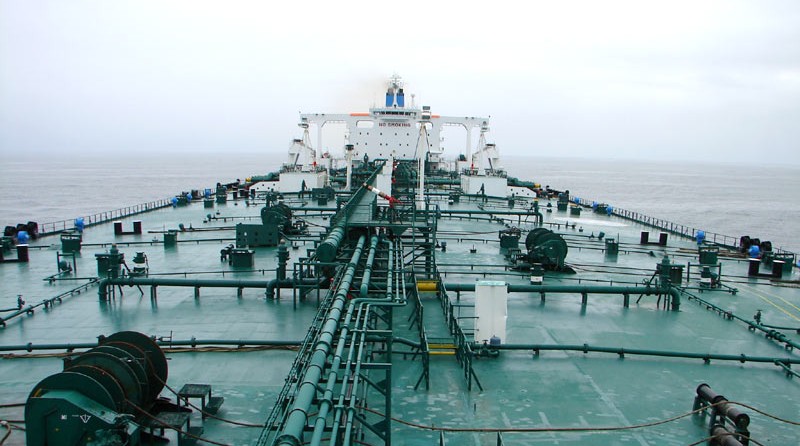
U.S. Vice President JD Vance said on Thursday that 12.5 million barrels of oil flowed through the strait after the U.S. and Iran signed an interim deal to end their war. The strait, which carried up to 20 million barrels per day before the war, had been effectively closed since fighting began in late February.
The price of dated Brent, a physical crude benchmark used to price cargoes globally, is set by six grades: five from the North Sea and one, WTI Midland, from the United States.
North Sea Forties crude, one of the six grades, was offered at a 35 cent premium to dated Brent on Thursday, the lowest since early May and sharply down from a record premium of $21.50 a barrel reached in April, according to LSEG data.
The outright price of dated Brent fell to $77.27 on Thursday, down from $140 on April 7, its highest since 2008, when oil hit its all-time high, LSEG data showed.
“The trap door has opened,” a trader said of the drop in physical crude prices.
BET ON SURPLUS RETURNING DRIVES PRICE DROP, ANALYST SAYS
This week’s drop in Brent futures prices, and other parts of the Brent market, reflects the view that rising supply will push the market into surplus, said Tamas Varga, an analyst at oil broker PVM.
The International Energy Agency said this week the market will move into a significant surplus in 2027 after recovering from the closure of the strait.
The Brent complex prices more than two thirds of the world’s oil and includes dated Brent, Brent futures and forwards and a range of swaps, which have also dropped this week.
The first week of short-term Brent swaps, known as contracts for differences, fell to a 25-cent discount to the August Brent forward late on Thursday, the lowest since early March and down from a record premium of $29.40 in April. The following five weeks of the swaps curve have also moved into a discount.
(Reporting by Alex Lawler. Ediitng by Mark Potter)