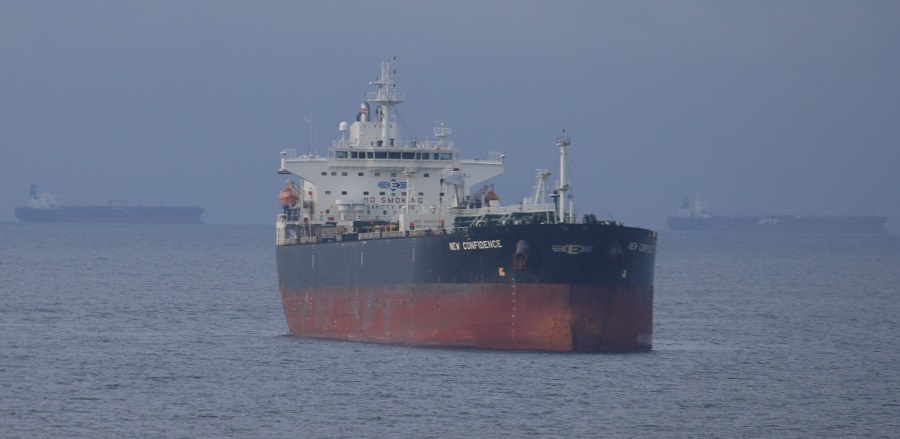
 U.S. refiner Phillips 66 CEO Mark Lashier said on Tuesday it would take time for crude supplies to clear through the Strait of Hormuz, as uncertainty remains around a return to normal shipping activity.
Passage through the Strait of Hormuz is continuing on a limited basis, easing immediate supply concerns and pushing crude prices lower. Meanwhile, energy companies are monitoring how quickly crude flows, and inventories and shipping activity return to normal.
Speaking at a JPMorgan conference, Lashier said between 90 million and 100 million barrels of crude remain trapped in the strait, and that would work their way out over time.
“We believe that most of the tanks on shore are full before crude can appreciably ramp up. You have to get some room in those tanks to place that crude, and so it’s going to be a long drawn out paced process,” Lashier said.
Lashier said the market had benefited from an efficient response to the Strait of Hormuz disruption, which he said helped prevent crude prices from reaching $200 a barrel.
Phillips 66 primarily processes North American crude, including Western Canadian Select grades, and was able to run its refineries at “extraordinary rates” during the disruption, he said.
The company used the Jones Act waivers — which allowed non-U.S. ships to transport good in domestic waters — to move refined products to the West Coast and crude to the East Coast, he added.
However, some of the factors that cushioned the market, like the releases from the U.S. Strategic Petroleum Reserve and low inventories at Cushing, Oklahoma storage hub, were temporary, Lashier said.
“We think there’s going to be some structural shift in what the crude floor is.”
(Reporting by Arunima Kumar in Bengaluru; Editing by Leroy Leo)