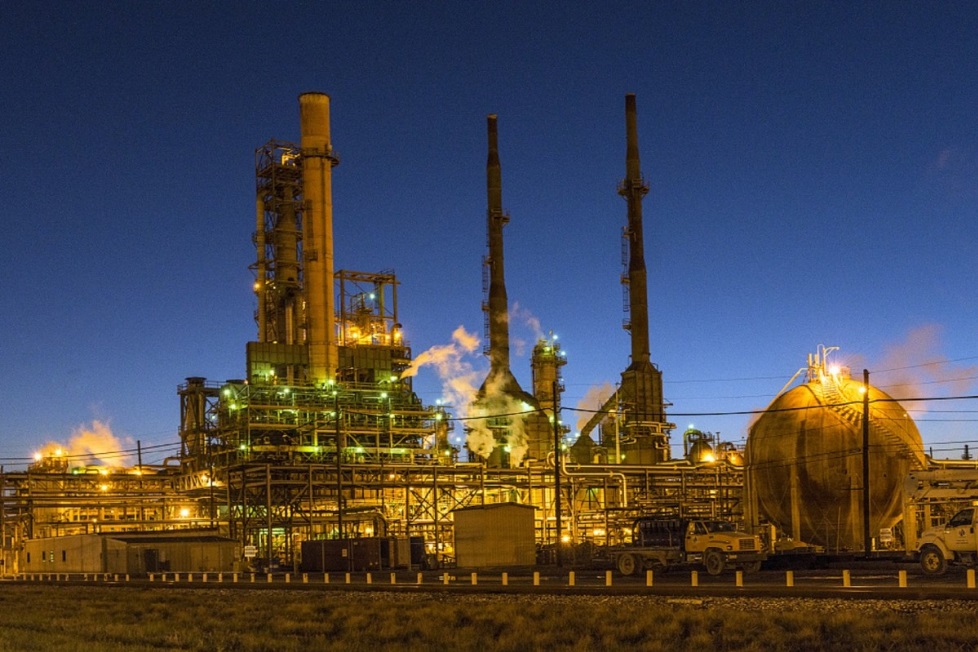
 U.S. refineries have operated near maximum capacity for the longest sustained period in over a quarter century,scrambling to capture windfall profits created by the Iran war. But history offers a cautionary tale: “Super refining” runs that push plants too hard can cause major failures. This has global implications. U.S. refineries’ ability to sustain today’s elevated operating rates for months, or potentially years, could mean the difference between an exceptionally tight global fuel market and a full-blown supply crisis marked by acute shortages, demand destruction and widespread economic pain. A U.S.-Israeli air campaign against Iran in late February triggered the closure of the Strait of Hormuz, disrupting a fifth of global oil supply and severely hampering refining operations, particularly in Asia. Meanwhile, relentless Ukrainian attacks on Russian refineries caused Moscow to suspend diesel exports in July. The result has been a collapse in global fuel production. Global refinery throughput in July fell to 81 million barrels per day (bpd), nearly 5 million bpd, or about 6%, below the level at this point last year, according to the International Energy Agency (IEA). The U.S., the world’s largest crude producer and second-largest refiner after China, responded by ramping up exports of crude, gasoline, diesel and jet fuel to record levels, according to the U.S. Energy Information Administration (EIA), helping avert a truly cataclysmic supply shock. For the U.S. refining industry, the past six months have been an unprecedented bonanza. Benchmark margins for converting crude into transportation fuels have averaged more than $50 a barrel since the start of the war, more than double their 10-year average. As a result, major U.S. refiners including Valero, Phillips 66, Marathon Petroleum and Exxon Mobil posted record or near-record second-quarter earnings.
To generate those bumper profits, many companies postponed planned maintenance and kept plants running at full tilt. U.S. refinery throughput has averaged around 17 million bpd since the start of the conflict, significantly above its five-year average.
The question now is how long this can last before something breaks.
PARTY LIKE IT’S 1997
This period of sustained maximum production has few precedents in modern history. Over the past 11 weeks, U.S. refinery utilisation rates have hovered above 95% — a sustained level not seen in more than 25 years. In fact, refineries have only achieved such prolonged rates three times, based on EIA data going back to 1990. The closest parallels came in 1997 and 1998, when U.S. refineries recorded two separate 24-week stretches of utilisation rates above 95% — first between May and October 1997 and again between April and September 1998. In the summer of 1998, the refinery fleet exceeded 100% utilisation – the only time this has occurred in EIA records.
That extraordinary performance was driven by a rare combination of low crude prices and consistently strong fuel demand, giving refiners every incentive to keep operations running flat out. A similar episode followed in 2000, when refineries operated above 95% utilisation for 13 consecutive weeks, but the conditions were markedly different. The Organization of the Petroleum Exporting Countries had introduced production cuts in 1999 that caused crude prices to nearly double by mid-2000. While this squeezed refinery profit margins, it coincided with the early stages of the China-driven commodities super-cycle, when global fuel demand skyrocketed, forcing refineries to run hard to meet it. The rally ultimately ended as crude became too expensive to sustain such high operating rates.
The current episode looks quite different from any of these precedents. Today’s utilisation surge is being driven not by cheap feedstock or runaway demand but by a severe shortage of refining capacity caused by war-related damage in Iran and Russia. But those episodes illustrate the risk refiners are taking.
A DANGEROUS PRECIPICE
Running complex refining systems at breakneck speeds for extended periods inevitably increases the risk of equipment failures, accidents and unplanned outages. Faced with soaring margins and a global fuel shortage, many U.S. refiners have deferred essential maintenance originally scheduled for the second quarter, pushing much of the work into late 2026 or even 2027. The risk is that doing this could ultimately lead to sharp, unplanned capacity losses.
History offers mixed lessons. The first super-refining episode in 1997 ended relatively gradually, with utilisation easing from above 95% in mid-October to around 92% a month later before quickly rebounding. The reckoning came the following year. After the 24-week run in 1998, utilisation plunged from around 95% in late September to 86% by mid-October as several refineries were forced into emergency maintenance after months of operating at full capacity.
A similar pattern emerged in 2018, when an eight-week period of utilisation above 95% was followed by a rapid drop to 89% within weeks.
The 2000 rally was the notable exception, as it ended without a comparable collapse.
So what’s the risk of a breakdown this time?
On the one hand, the industry today has a far better understanding of the risks associated with prolonged periods of elevated utilisation.
Yet today’s global refining crisis is unlike anything refiners have ever faced. Fuel inventories are being depleted, while severe damage to refining infrastructure in the Middle East and Russia is likely to leave the world with reduced processing capacity for years. The risk of losing further capacity is greater than at any time in the recent past because global refining output is nearly 2 million bpd below demand, according to the IEA.
That creates a dangerous dilemma. The longer refining margins remain elevated, the greater the temptation for refiners to keep running flat out. But the harder they run, the greater the risk of failures that could remove even more fuel from an already stretched market.
For now, America’s refiners are serving as the world’s supplier of last resort. The danger is that the world has become so dependent on them that even a small disruption to their operations could tip an already fragile market into a genuine fuel crisis.
(The opinions expressed here are those of Ron Bousso, a columnist for Reuters.)
Enjoying this column? Check out Reuters Open Interest (ROI), your essential new source for global financial commentary. Follow ROI on LinkedIn, and X. And listen to the Morning Bid daily podcast on Apple, Spotify, or the Reuters app. Subscribe to hear Reuters journalists discuss the biggest news in markets and finance seven days a week.
(Ron Bousso Editing by Marguerita Choy)