Tourmaline has returned billions of dollars to shareholders in recent years, but very little of that money has gone toward buying back its own shares. Traditionally, the company has used a base dividend plus special dividends when free cash flow is abundant. But that’s about to change.
Tourmaline and Topaz recently announced a secondary offering of Topaz shares whereby Tourmaline is selling some of its equity ownership in Topaz. The secondary was for $287.5 million, with Tourmaline’s intended use of proceeds to repurchase its common shares under the company’s normal course issuer bid. This is a major shift in return of capital strategy for Tourmaline.
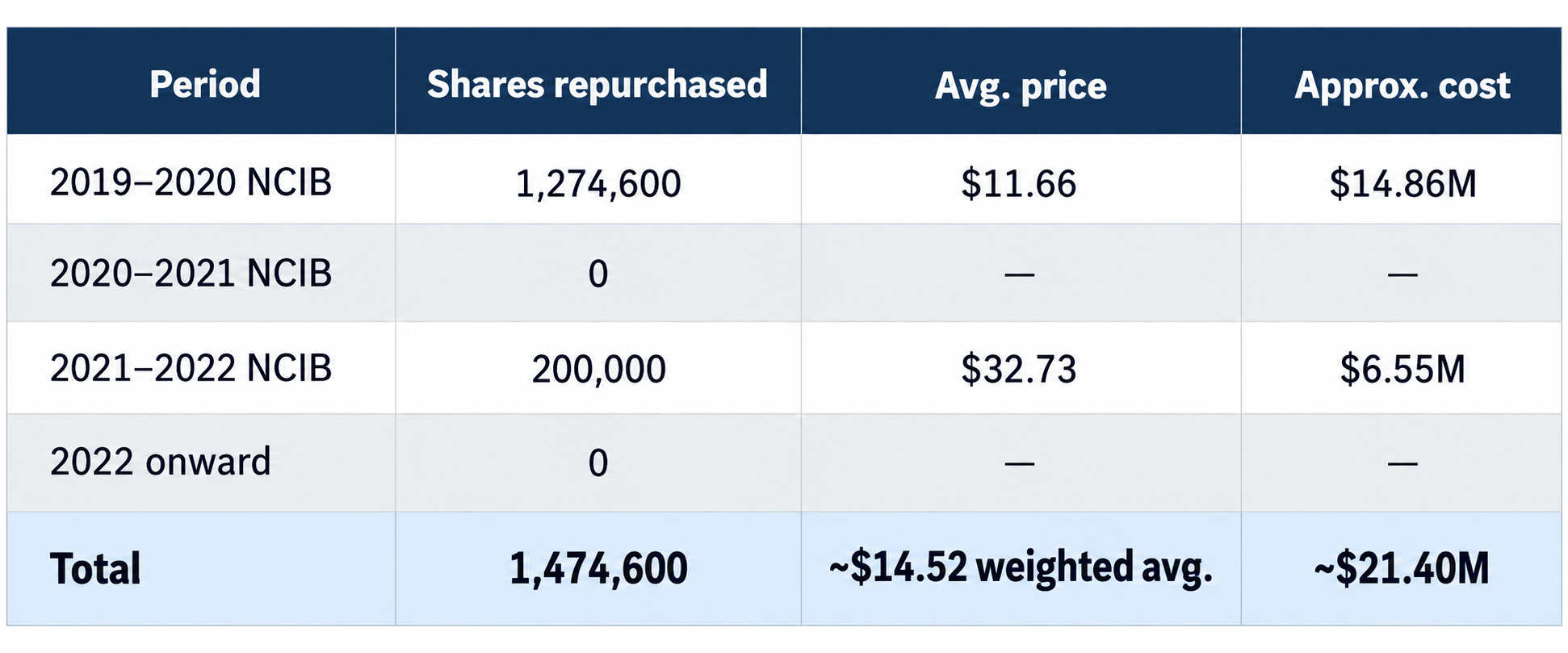
Based on company disclosures, Tourmaline has repurchased just 1.475 million shares over the last number of years, spending approximately $21.4 million, despite maintaining a normal course issuer bid for much of its recent history.
Tourmaline bought back 1,274,600 shares during its 2019-2020 NCIB at an average price of just $11.66. It bought another 200,000 shares in August 2021 at approximately $32.73. Those repurchases were timely indeed, near the depths of the COVID lows.
As commodity prices and free cash flow surged in 2021 and 2022, Tourmaline increasingly returned excess cash through special dividends. Its first special dividend was announced in September 2021, and by 2022 the company was describing special dividends as its preferred method of returning excess cash during periods of strong commodity prices, while characterizing buybacks as more “opportunistic.”
That distinction matters as the company indicates that now the pendulum has swung back towards the “opportunistic” side.
Tourmaline generated a record $3.2 billion of free cash flow in 2022 and paid more than $2.65 billion in combined base and special dividends. In 2022, it didn’t respond to the flood of cash by buying back stock. In 2026, it is indicating that buybacks are coming.
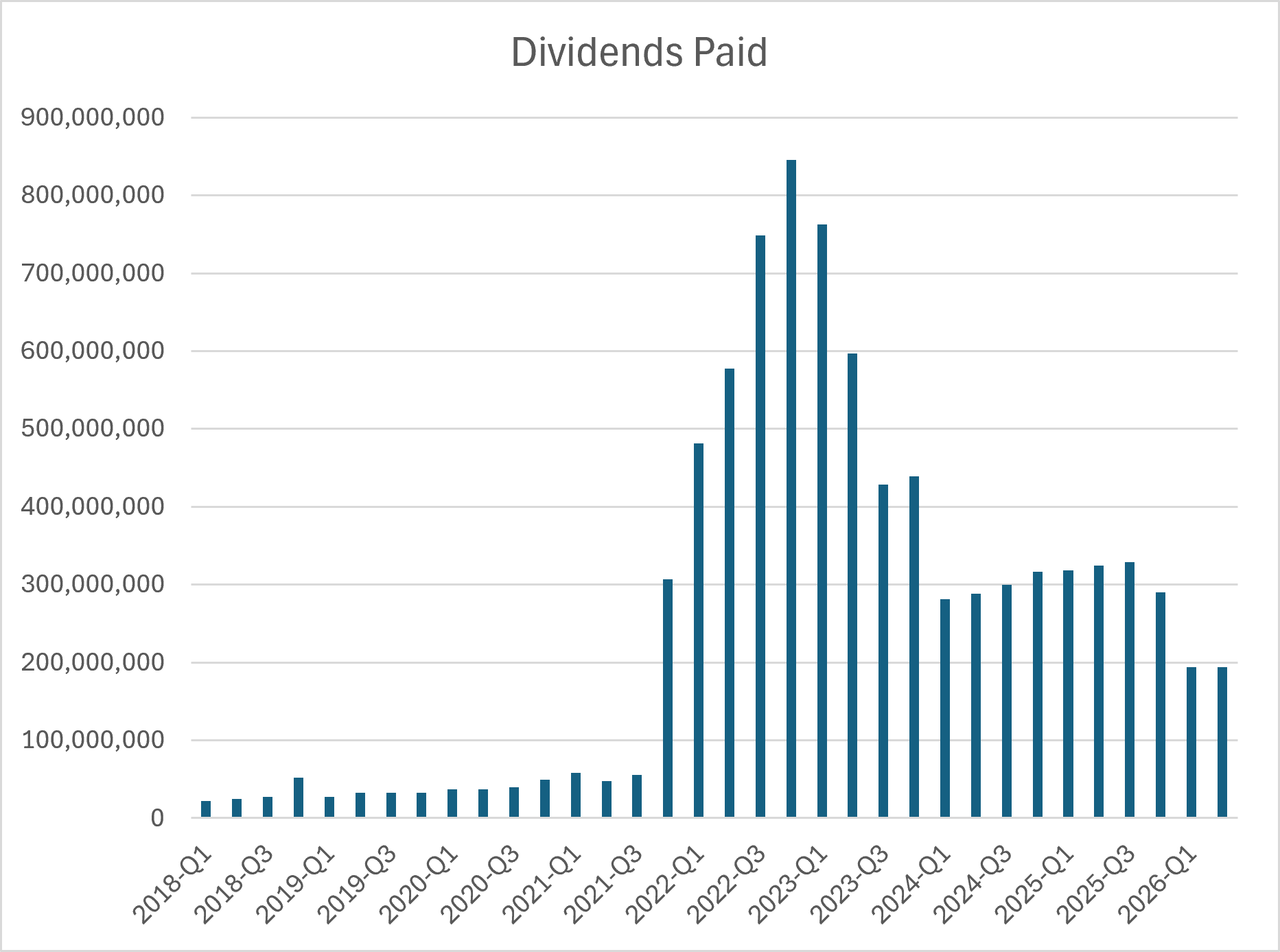
The company’s history and disclosures suggest Tourmaline have historically viewed buybacks differently from special dividends. Excess cash alone isn’t enough to trigger share repurchases. When business conditions are strong and cash piles up, Tourmaline has historically preferred to hand it directly to shareholders.
Buybacks appear to be reserved for times when management sees particularly attractive value in its own shares, with its historical record backing that up.
That is why the recent announcement to make its largest repurchases to date is worth watching. Tourmaline’s historical buybacks occurred at average prices of roughly $14.52, far below where the shares sit today.
Past performance doesn’t guarantee that future purchases will be as well timed. But if Tourmaline’s track record is any indication, the company is good at being opportunistic.