 Russia’s oil exports through its Northern Sea Route (NSR) in 2026 have already exceeded last year’s by nearly 50%, with some 20 million barrels shipped to Asia from the start of navigation in July to mid-October, traders said and data showed.
The NSR links Russia’s western ports with Asian markets through icy Arctic waters and is considered a more dangerous and expensive route. This year, however, it became more attractive as a result of disruptions to routes via the Suez Canal, the Strait of Hormuz and the Black Sea area, traders said.
Tanker freight rates have soared to record highs as wars in Iran and Ukraine have stoked inflation and put US crude oil out of reach for Asian refiners, driving them to seek alternatives from the Middle East and Latin America.
This made high tariffs for ships using the NSR, which requires assistance from an icebreaker, less costly compared with the usual route to Asia through the Red Sea, traders said.
For Russia, which controls the NSR, it represents a secure alternative to European waters, where tankers with its oil have been regularly arrested this year.
The volume of Russian oil exported through the Arctic route is expected to rise by another 5-10 million barrels by the end of the navigation period, traders’ preliminary estimates show. Russia shipped 13 million barrels during the last navigation season.
Gazprom Neft, one of Russia’s oil majors, will increase its shipments via the NSR by some 35% this year compared with 2025, its CEO Alexander Dyukov told journalists on Friday in Moscow.
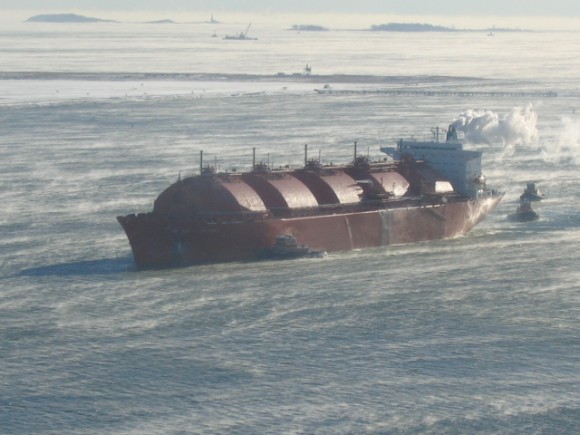
Russia also supplies significant volumes of LNG to Asia via the NSR as well as other goods. LNG supply via the NSR is also expected to rise this year after the launch of Arctic LNG shipments.
President Vladimir Putin told an economic forum in Vladivostok in September that Russia expects cargo turnover via the NSR to double to 70 million metric tons annually by the end of the decade.
Rosneft’s giant new oil project in the north of Russia, Vostok Oil, which opened last month, is already contributing to the rising volumes using the NSR.
(Reporting by Reuters; Editing by Alexander Smith)