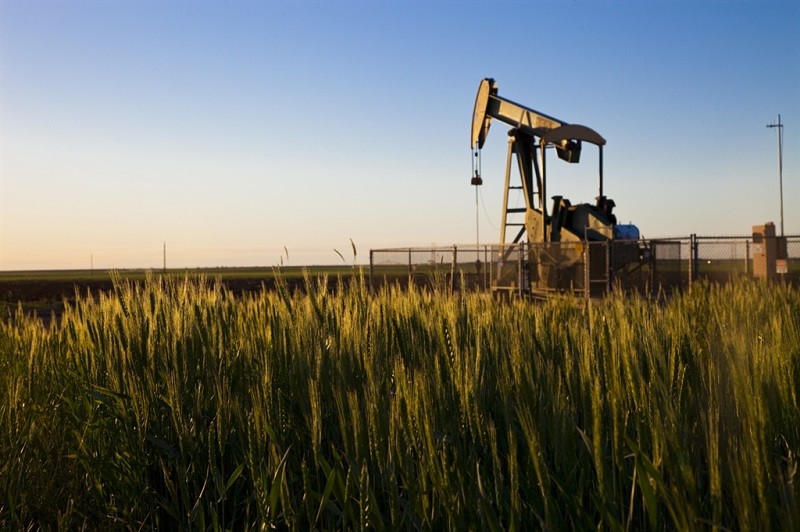
 Big Oil is reaping near record cash windfalls from the eight-month-old Iran war, but Western energy producers’ reluctance to ramp up spending reveals persistent doubts about the industry’s long-term outlook.
BP, Chevron, Exxon Mobil, Shell and TotalEnergies reported combined net profits of $56 billion in the third quarter, driven by surging oil and gas prices, record-high refining margins and strong trading results.
BP posted its highest quarterly profit ever, $8.5 billion, as earnings from its refining business rose tenfold from a year earlier. For the other majors, the quarter was generally their second-strongest on record, behind only the extraordinary gains booked following Russia’s invasion of Ukraine in February 2022.
Market conditions remain incredibly favourable. Brent crude has surged around 60% to $114 a barrel since the start of the Iran conflict on February 28, while benchmark European natural gas prices have climbed to their highest levels since late 2022. Diesel prices, meanwhile, remain close to September’s all-time high above $200 per barrel as fuel markets continue to grapple with refinery outages and disrupted trade flows.
Yet, Big Oil has so far shied away from major new spending, suggesting the majors do not see today’s market conditions as evidence that the industry’s long-term outlook has improved.
SURPRISE BONANZA
Entering the year, the energy industry had been bracing for a looming supply glut. Many companies were cutting spending plans, freezing hiring and intensifying cost-saving programmes amid expectations that a flood of new oil and liquefied natural gas (LNG) supplies would pressure prices later in the decade.
The joint US-Israeli strikes on Iran in February and the prolonged closure of the Strait of Hormuz upended the short-term supply picture, as exports from the Gulf ground to a halt and refining capacity shrank.
However, energy companies have so far maintained their conservative approach, directing excess cash mostly to strengthening balance sheets and repurchasing shares.
The majors’ combined net debt fell to $117 billion in the third quarter from $204 billion in the first quarter. BP, which entered the conflict carrying one of the highest debt burdens among its peers, nearly halved net debt to $13.9 billion from a year earlier. The company will continue to focus on debt reduction, its CEO said.
Share buybacks also rose to $12.3 billion in the third quarter, little changed from the previous quarter. Shell and TotalEnergies announced sharp increases in buybacks over the next three months, while Exxon said it planned to buy back $20 billion of shares in 2027, a similar level to this year.
NO BIG SPENDERS
While debt reduction and share repurchases can be dialled up or down from one quarter to the next, capital spending and dividends are longer-term commitments that are much harder to reverse if market conditions deteriorate.
So it is telling that the majors’ dividend policies and capital spending plans have remained largely unchanged since the start of the war.
Shell, for example, reduced its 2026 capital spending guidance by $1 billion to $23 billion to $25 billion despite the sharp improvement in commodity prices. Chevron expects 2026 spending to remain at the lower end of its $18 billion to $19 billion guided range.
The extreme volatility and uncertain outlook have also curbed companies’ appetite for large acquisitions, as buyers and sellers struggle to agree on fair valuations for assets.
The main exception has been North American natural gas, where abundant supplies and relatively predictable pricing have made it easier to strike deals. Shell’s $16.4 billion acquisition of Canada’s ARC Resources in April reflected growing confidence in the continent’s expanding LNG export sector and long-term gas demand prospects.
TotalEnergies has also indicated interest in deals that would help raise its US gas production by around 1 billion cubic feet per day, although CEO Patrick Pouyanne said oil assets remained too expensive at current valuations.
Boards will review 2027 spending plans before year-end, when companies could decide to increase shareholder distributions or accelerate investment.
But all signs so far indicate that any changes will mostly involve returning more capital to shareholders.
NO SUPERCYCLE
What stands out in this bumper earnings season is that energy industry executives appear unwilling to treat today’s elevated prices as the start of a new supercycle.
The experience of the past decade, from the 2014 oil price collapse to the pandemic crash and the post-Ukraine boom, has reinforced a preference for financial discipline over production growth.
That is understandable, particularly because the concerns driving the industry’s long-term uncertainty – namely the speed and shape of the energy transition, particularly in Asia – have not improved and may have got worse.
The wars in Ukraine and the Middle East have highlighted the risk of being overly dependent on imported fossil fuels. This could spur stockpiling, but it could also encourage countries to pursue more domestic energy production, from both traditional and alternative fuel sources.
In the short term, there are growing signs that oil and gas markets could remain tight, helping to generate more hefty profits for the energy majors. Over the longer term, geopolitical fracture and energy nationalism appear set to usher in a new era of greater energy market volatility.
This suggests today’s caution is warranted.
(The opinions expressed here are those of Ron Bousso, a columnist for Reuters.)
Enjoying this column? Check out Reuters Open Interest (ROI), your essential new source for global financial commentary. Follow ROI on LinkedIn, and X.
And listen to the Morning Bid daily podcast on Apple, Spotify, or the Reuters app. Subscribe to hear Reuters journalists discuss the biggest news in markets and finance seven days a week.
(Ron Bousso Editing by Marguerita Choy)