• Sign up for the Daily Digest E-mail
  • X
  • LinkedIn
  • See more results

    Generic selectors
    Exact matches only
    Search in title
    Search in content
    Post Type Selectors

BOE Report

Sign up

See more results

Generic selectors
Exact matches only
Search in title
Search in content
Post Type Selectors
  • Home
  • StackDX Intel
  • Headlines
    • Latest Headlines
    • Featured Companies
    • Columns
    • Discussions
  • Well Activity
    • Well Licences
    • Well Activity Map
  • Property Listings
  • Land Sales
  • M&A Activity
    • M&A Database
    • AER Transfers
  • Markets
  • Rig Counts/Data
    • CAOEC Rig Count
    • Baker Hughes Rig Count
    • USA Rig Count
    • Data
      • Canada Oil Market Data
      • Canada NG Market Data
      • USA Market Data
      • Data Downloads
  • Jobs

Royalty review: How Alberta calculates its oil and gas royalty take today

January 28, 20161:44 PM The Canadian Press0 Comments

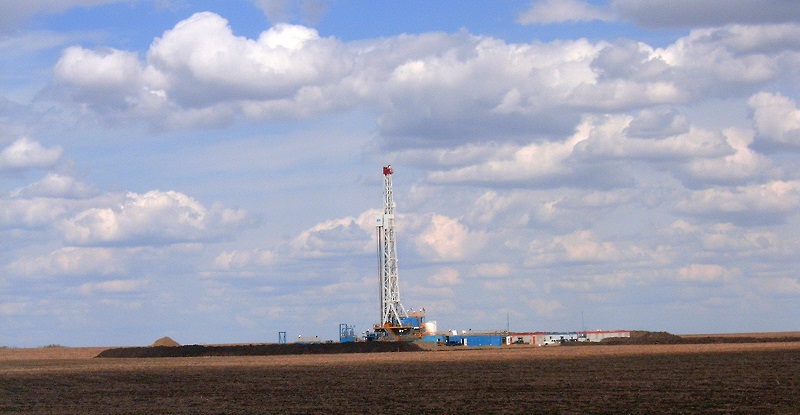
Central Alberta Drilling Rig

CALGARY – Alberta’s current oil and gas royalty system, which has been in place since 2011, is complex. There are different formulas for oilsands, natural gas and conventional oil that take into account production rates and commodity prices.

Here is a breakdown of how the province’s royalty regime works today:

Oilsands:

— In a project’s early stages, the rate is between one and nine per cent of gross revenue, depending on oil prices. Once a project reaches “payout” — covered upfront costs and earned a certain rate of return — companies pay whichever is higher: one to nine per cent of a project’s gross revenue or 25 to 40 per cent of net revenue (gross revenue minus certain costs).

Oil outside the oilsands, also known as “conventional” oil:

— The rates range from zero to 40 per cent of a well’s gross revenue, depending on production rates and the price of oil.

Natural gas:

— The rates range from five to 36 per cent of a well’s gross revenue, depending on production rates and the price of natural gas.

Incentives:

— Programs designed to spur more drilling further complicate matters. New oil and gas wells are eligible for a rate that’s capped at five per cent until whichever comes first: the first year of production, or a certain production threshold is passed. That rate can be extended if those wells are more technically challenging to drill.

Follow BOE Report
  • Facebook
  • X
  • LinkedIn

Sign up for the BOE Report Daily Digest E-mail

Successfully subscribed

Latest Headlines
  • Iran says Oman deal is in ‘final stages’ but US must act to open Hormuz
  • Iran says deal on Strait of Hormuz is close but will not open the waterway by itself
  • UAE says Iran attacked ADNOC vessel with missile in Strait of Hormuz
  • Greenfire Resources Announces Terms of Upsized Rights Offering
  • Discount on Western Canada Select widens

Return to Home
Alberta GasMonthly Avg.
CAD/GJ
Market Data by TradingView

    Report Error


    Note: The page you are currently on will be sent with your report. If this report is about a different page, please specify.

    About
    • About BOEReport.com
    • In the News
    • Terms of Use
    • Privacy Policy
    • Editorial Policy
    Resources
    • Widgets
    • Notifications
    • Daily Digest E-mail
    Get In Touch
    • Advertise
    • Post a Job
    • Contact
    • Report Error
    StackDX
    • BOE Report Jobs
    • StackDX Intel
    © 2026 Stack Technologies Ltd.