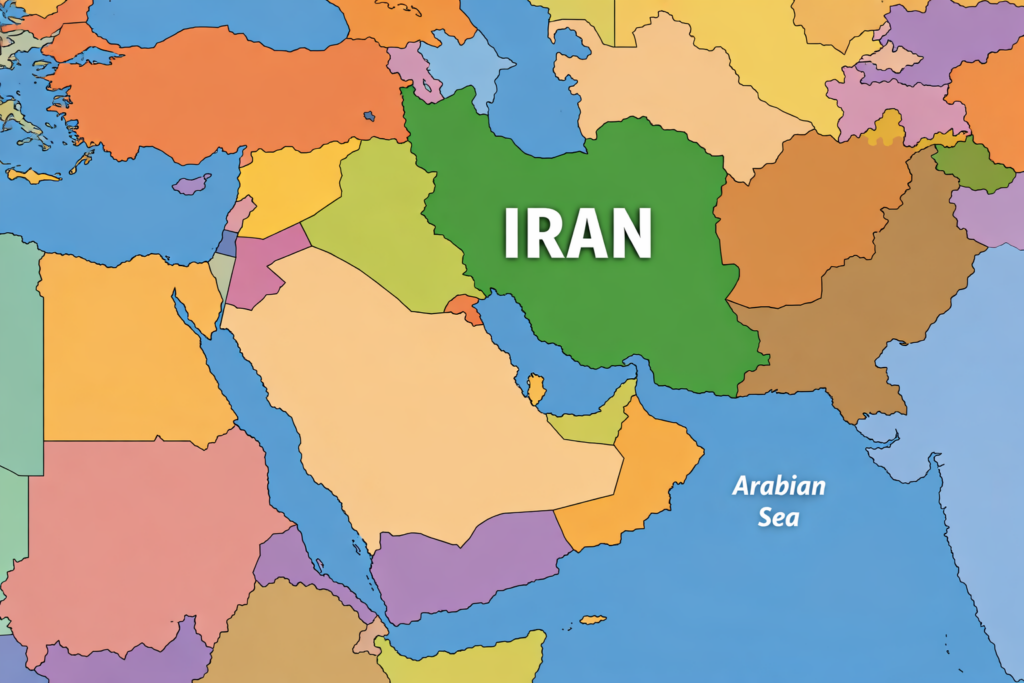
 The United States and Iran have reached an agreement to extend a ceasefire, allow shipping through the Strait of Hormuz and lift a U.S. blockade and some sanctions on Iran, sources told Reuters, but the deal has not been finalised. An agreement would represent a big step towards ending a war that has pushed the world towards an energy crisis, though the underlying dispute over Iran’s nuclear programme would only be thrashed out in talks over subsequent weeks.
WHERE HAVE THE DISCUSSIONS GOT TO?
Following a ceasefire in early April, the two sides have remained at odds on issues including Iran’s nuclear ambitions, Israel’s war in Lebanon with the Iranian-backed Hezbollah militia, and Tehran’s demands for the lifting of sanctions and the release of frozen assets.
After weeks of mainly indirect talks, four sources familiar with the matter said on Thursday that the U.S. and Iran had agreed a memorandum of understanding that would halt the war and give negotiators 60 days to reach a final deal. However, both sides have said several times before that they believed an agreement was close but without ever concluding an agreement. The position of Israel, which launched the air war on Iran on February 28 alongside the United States, is central to any deal but its role in the agreement is unclear. U.S. President Donald Trump has not yet approved the deal, according to the sources. Vice President JD Vance said on Thursday: “We’re not there, but we’re very close and we’re going to keep working on it”.
Iran has not yet formally commented, but the semi-official Tasnim news agency cited a source close to the negotiating team as saying the text of the agreement had not yet been finalised or confirmed. Iranian sources have previously said a framework deal is only about ending the war on all fronts, establishing a 30-day framework for international and Iranian movement through the Strait of Hormuz and possibly providing some financial relief. There would then be negotiations on the more difficult issues, such as the status of Iran’s highly enriched uranium and details concerning the strait, and the sequencing of the many points in the preliminary deal such as sanctions relief and security. The last deal over the nuclear programme – struck in 2015 and torn up by Trump in 2018 – took years of negotiations between large teams of technical experts.
WHAT ARE THE MAIN ISSUES?
HORMUZ AND GULF BLOCKADE
Iran’s closure of the Strait of Hormuz, the conduit for a fifth of global supplies of oil and liquefied natural gas, has pushed up oil prices. Reopening the strait is the U.S. priority and Iran’s main point of leverage, but it could take time. Many vessels are stuck in the Gulf and Iran says it has laid some sea mines that could be difficult to locate. The U.S. blockade on Iranian ports is hitting Iran’s own exports and state revenue. Lifting this is one of Tehran’s main goals. A sensitive issue could be how far U.S. forces withdraw. NUCLEAR The U.S. says it believes Iran wants to build a nuclear bomb. Iran has always denied this, saying its atomic programme is for peaceful purposes only. The focus is on its enrichment of uranium, which generates fuel for nuclear power but can also make material for a warhead.
The nuclear question is extremely complicated. Iran might eventually agree to dilute part of its highly enriched uranium in a friendly country into uranium enriched to 5% purity and then have it returned, Iranian sources said.
But many other issues would still need to be addressed: how long the nuclear program would be halted, whether nuclear sites would be dismantled, what happens to stockpiles of uranium enriched to 20% and 5%, the future of Iran’s advanced centrifuges and research and development programs and the rules governing an inspections regime, among others.
BALLISTIC MISSILES
A prominent U.S. demand before the war was that Iran limit the range of its ballistic missiles so that they could not reach Israel. Iran has always said its right to conventional weapons is non-negotiable and that it still has a large arsenal.
SANCTIONS AND FROZEN ASSETS
Iran’s economy has been hurt by sanctions for years, contributing to the nationwide unrest in January. Tehran badly needs them to be lifted and tens of billions of dollars of Iranian oil revenues frozen in foreign banks to be released. It also wants reparations for war damage.
The United States has resisted this, with Trump having lambasted former president Barack Obama for having returned some frozen assets to Iran under the 2015 nuclear deal. Some media have reported that the latest draft agreement would include an investment programme for Iran.
LEBANON
Iran has repeatedly said that Israel’s war against its main ally Hezbollah in Lebanon must be included in any deal. Israel and Lebanon agreed a ceasefire last month but both Israel and Hezbollah accuse each other of repeated violations and Israel’s military is ramping up its campaign in southern Lebanon. Israel would oppose any U.S.-Iran agreement that limits its ability to act in Lebanon.
(Reporting by Parisa Hafezi; Writing by Angus McDowall and Michael Georgy; Editing by Aidan Lewis and Philippa Fletcher)