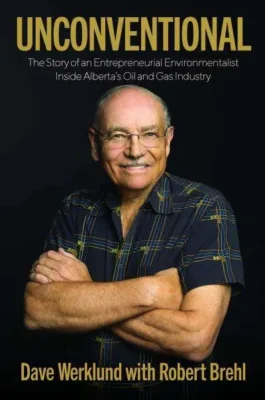
“My education is the school of learning through experience… I still attend classes every day.” David Werklund (CM AOE) has had many accolades. He’s been named Ernst & Young’s Canadian Entrepreneur of the Year (in 2005). He’s been inducted into the Order of Canada, Alberta Order of Excellence; Calgary Business Hall of Fame and the Canadian Petroleum Hall of Fame as well as a 2022 Queen’s Jubilee Recipient. He’s been named one of Alberta’s 50 most influential people by the Globe and Mail, [Read more]
Could CCUS mean an end to off-shoring Canadian oil and gas & emissions?
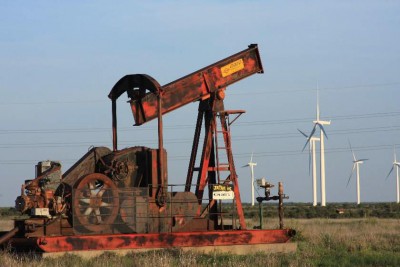
Disclosure of the scale of the Federal government’s “just transition” legislation- the tool to transition oil and gas workers to green jobs- has begun to echo across the industry, creating diverse statements both pro and con. At issue is the admission in the report that the plan to transition the Canadian economy will “have an uneven impact” across certain regions, “creat(ing) significant labour market disruptions” in carbon-intensive industries and the provinces that depend on them— Alberta, [Read more]
Abandonment Issues – Directive 20- Preparing for new CCS & geothermal projects
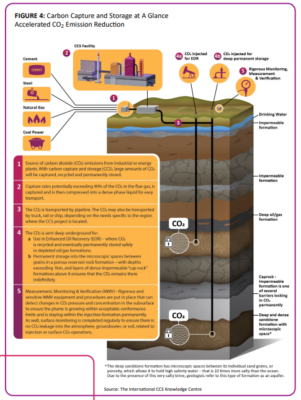
CCS and CCUS technologies are being developed with plans to reduce CO2 emissions by millions of tons annually in Canada. With the rapid development and large-scale application of these technologies, the oil and gas industry intends low-carbon, efficient, and sustainable development while ensuring a secure supply of oil and gas. For CCS and CCUS tech to be successful, it is critical to ensure the storage of CO2 is secure and permanent. Since the AER- regulates all aspects of energy resource [Read more]
Alberta Hydrogen’s hurdles-market and regulatory development
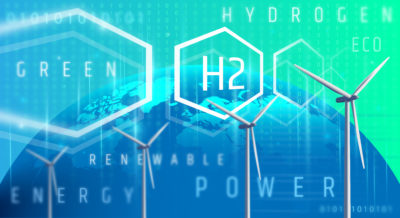
Canada is well-positioned to become a key producer of hydrogen being one of the world’s lowest-cost producers of low-carbon hydrogen. The western provinces, Alberta, British Columbia, and Saskatchewan have the country’s largest CCS resources and reportedly can produce hydrogen at half the wholesale cost of diesel. But if the future of hydrogen production in the west is tied to CCS resources, what are the hurdles to developing projects? Are there cases to be made for the best markets to pursue? [Read more]
Abandonment issues- regulatory changes and cost impacts
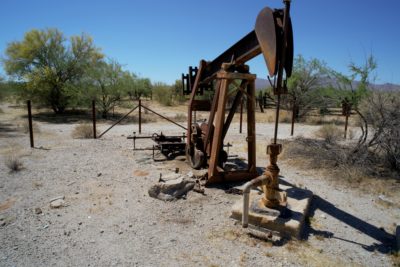
Managing oil and gas liabilities has become one of the most critical areas of concern for oil and natural gas companies, landowners, municipalities, provincial and federal governments. In the province of Alberta alone, approximately 258,000 wells are designated to be abandoned in the next ten years. This is an ambitious timeline that can easily be impacted negatively when commodity prices drop. Across the western provinces, wells have been drilled since 1901 when the Rocky Mountain [Read more]
Canada’s O&G facing another rail strike challenge
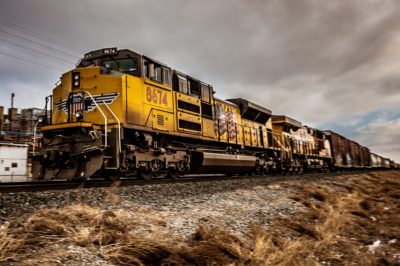
Earlier this year in mid-March, a major Canadian Pacific Railway (CP Rail) worker strike threatened to cut off a key trade corridor with the U.S. and create spiking prices in the U.S. for crude oil, food and other products already experiencing price increases. A dispute between railway workers and CP Rail which could have led to a possible strike put the labour-friendly Canadian and U.S. administrations in a tough spot. Neither relished forcing union workers back to work. However, the strike [Read more]
Danielle Smith speaks at 2022 State of the Industry Event
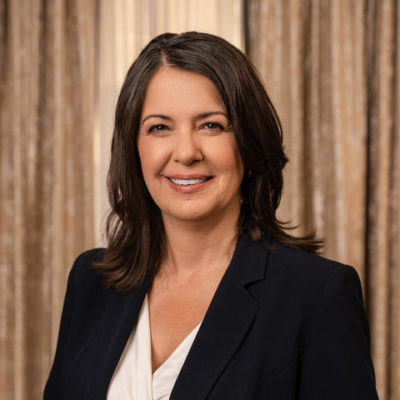
Alberta Premier Danielle Smith delivered encouraging news to a room of members of the Canadian energy industry in Calgary on Wednesday. The 2022 State of the Industry Event was produced by the Canadian Association of Energy Contractors. CAOEC CEO Mark Scholz warmed up the audience with some very encouraging highlights of the CAOEC’s Q4 2022 and 2023 drilling forecast. He quoted from the 2022-23 forecast, that projected wells drilled in 2022 are expected to be 5582 which is an increase of [Read more]
Carbon Capture & Storage- Does the Alberta advantage need deeper tax credits?
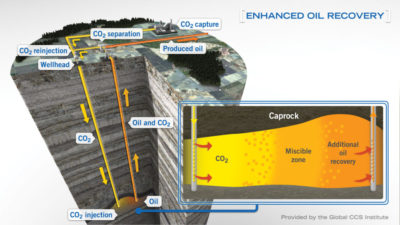
Alberta sits on some of the largest oil reserves in the world. Alberta's geology also gives the province an advantage in carbon capture and storage. CCS technology is now key to Alberta's hopes of aligning oil sands operations with Canada's current emissions reduction targets. But Alberta needs better Federal tax measures or the U.S will attract CCS capital away. The U.S. Inflation Reduction Act of 2022 (IRA) provides critical updates to the 45Q tax credit, which incentivizes the use of [Read more]
Alex Epstein in Calgary addresses energy challenges including COP27
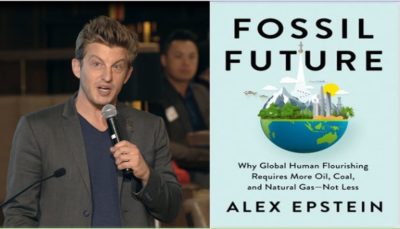
The first two weeks of November 2022 were a fascinating time in the oil and gas and energy geopolitical ecosphere. There was a confluence of several international gatherings addressing global collaborations across economic, environmental, trade and energy topics. The first week of November saw the start of the 2022 United Nations Climate Change Conference on Sunday, Nov. 6 which ran until Nov .18. The Association of Southeast Asian Nations- the ASEAN Summit ran from Nov. 10 to Nov. 13. The [Read more]
Making sense of Carbon Markets and Registries
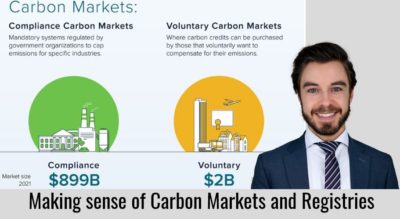
Environmental commodities are a class of commodities that are taking off in popularity globally. They are of particular importance to the oil and gas industry and can be generally referred to as non-tangible environmental credits. The value of environmental credits is keyed to the demand of market participants who are faced with imperatives to both produce and consume lower carbon forms of energy. Markets have developed for both voluntary and compliance credits in response to the demand of [Read more]
- « Previous Page
- 1
- 2
- 3
- 4
- 5
- 6
- …
- 11
- Next Page »