REGINA – The low price of oil is gushing red all over the Saskatchewan government’s budget.
Finance Minister Kevin Doherty’s third-quarter fiscal update is forecasting a deficit of $427 million for the current fiscal year. The budget tabled last March had anticipated a surplus of just over $100 million.
The big hit comes on the revenue side where income from non-renewable resources is down $617 million.
“I don’t know where the price of oil is going to go. I mean, if I knew where the price of oil was going to go, absolutely, we’d probably be having this news conference on my yacht in Hawaii,” Doherty said Monday after releasing the update.
“We need to ensure that we continue to manage the things we can manage and I can’t manage the price of oil.”
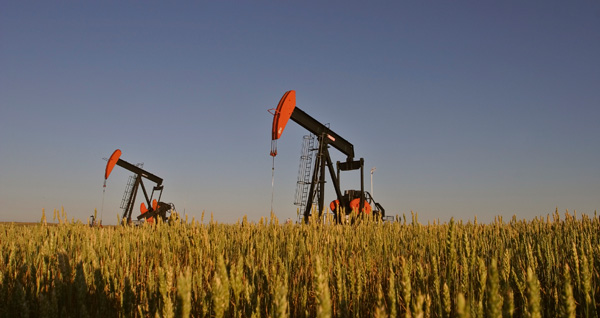
Oil was projected in the budget to bring in about $903 million, but that’s now been recalculated to about $555 million. The price for benchmark West Texas Intermediate has been hovering just below US $35 a barrel.
Revenue is also down from potash, a mineral used to make fertilizer. It was initially pegged at $796 million, but is now forecast at $651 million.
That news follows word last week from PotashCorp that it plans to cut production at two Saskatchewan mines for four weeks beginning March 20. The Saskatoon-based company said on its website that it’s “matching supply with market demand.”
There’s also less money from the provincial sales tax, as well as from fuel, property and tobacco taxes.
“When the oil and gas sector retrenches and pulls back, that service sector is not spending money on fuel,” said Doherty.
“And the people living in those communities who have lost their jobs or there’s very little work to do, are not going out for restaurant meals and buying new clothes and vehicles and those kind of things, so it impacts the consumption taxes, the provincial sales tax and the fuel tax base.”
But Saskatchewan will not follow Alberta’s lead and increase taxes, the finance minister said.
Apart from $100 million to cover the cost of fighting forest fires last summer, the government has been able to control spending, Doherty said. Expenses budgeted at $14.2 billion last spring are forecast now to be just over $14.3 million.
The bright side in 2015-16 has been agriculture. Total crop production was 12.9 per cent higher than the 10-year average, representing the second-largest crop on record.
NDP Leader Cam Broten said the Saskatchewan Party inherited a booming economy and billions in a savings account when it took power in 2007, but mismanaged the money.
“They’ve spent every penny as fast as it came in,” he said.
“They drained the rainy-day fund during the sunniest days here in Saskatchewan. They put nothing aside long-term and now, as soon as the financial picture tightens some, they’re going to the people of the province making cuts, asking them to pay more.”
Broten said the government should have opened the books sooner so voters could get a full picture ahead of the April 4 provincial election.
Doherty said commodity-based provinces such as Saskatchewan can face ups and downs and he’s comfortable going to voters with the numbers.
“Given the choices that we had, as a government we made the decision to run a deficit this year and a smaller deficit next year, forecast to bring us back to balance in 2017-2018.”