 Oil rose more than 1% on Monday on signs of strong demand, shrugging off the impact of a higher-than-expected OPEC+ output hike for August as well as concerns about the potential impact of U.S. tariffs.
Brent crude futures rose 79 cents, or 1.2%, to $69.08 by 02:05 p.m. ET (18:05 GMT). U.S. West Texas Intermediate crude was at $67.29, up 29 cents, or 0.4%. The benchmarks had fallen to $67.22 and $65.40, respectively, earlier in the session.
“The supply picture definitely looks to be elevating, however, the stronger demand is remaining above expectations as well,” Dennis Kissler, senior vice president of trading at BOK Financial.
A record number of Americans had been set to travel for the Fourth of July holiday by road and air, travel industry statistics showed.
The Organization of the Petroleum Exporting Countries and their allies, a group known as OPEC+, agreed on Saturday to raise production by 548,000 barrels per day in August, more than the 411,000-bpd hikes they made for the earlier three months.
The OPEC+ decision will bring nearly 80% of the 2.2 million-bpd voluntary cuts from eight OPEC producers back into the market, RBC Capital analysts, led by Helima Croft, said in a note.
However, the actual output increase has been smaller than planned so far and most of the supply has been from Saudi Arabia, analysts said.
In a show of confidence about oil demand, Saudi Arabia on Sunday raised the August price for its flagship Arab Light crude to a four-month high for Asia.
Goldman analysts expect OPEC+ to announce a final 550,000-bpd increase for September at the next meeting on August 3.
Oil had also come under pressure as U.S. officials flagged a delay regarding when tariffs would begin, but failed to provide details on changes to the rates that will be imposed. Investors are worried that higher tariffs could slow economic activity and oil demand.
The United States will make several trade announcements in the next 48 hours, Treasury Secretary Scott Bessent said on Monday, adding that his inbox was full of last-ditch offers from countries to clinch a tariff deal before a July 9 deadline.
“Although US trade policy is still unfolding, the U.S. is extending deadlines and backing away from punitive tariffs, helping to lift some of the demand gloom in place since April,” said Jeffrey McGee, managing director of advisory firm Makai Marine Advisors.
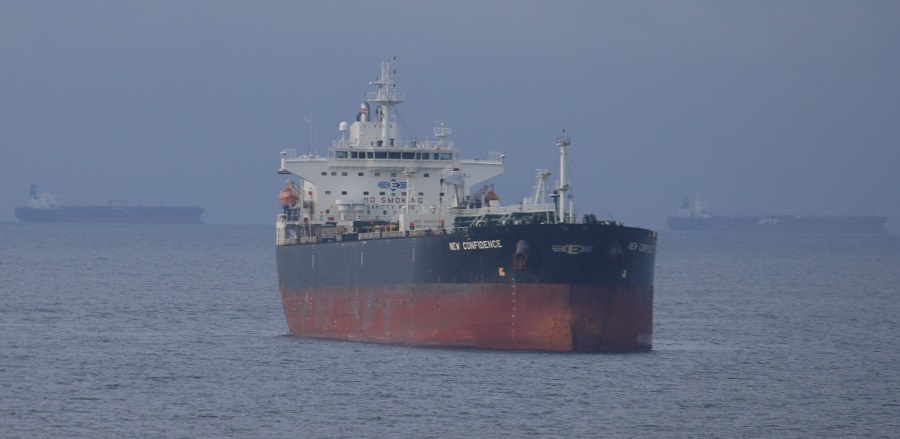
Meanwhile, geopolitical uncertainties continued. Yemen’s Iran-aligned Houthis said on Monday that a cargo ship they struck with gunfire, rockets and explosive-laden remote-controlled boats had sunk in the Red Sea, after their first known attack on the high seas this year.
Israeli Prime Minister Benjamin Netanyahu is due to meet with Trump at the White House on Monday, while Israeli officials hold indirect talks with Hamas aimed at reaching a U.S.-brokered Gaza ceasefire and hostage-release deal.
Iranian President Masoud Pezeshkian said he believes Iran can resolve its differences with the United States through dialogue, but trust would be an issue after U.S. and Israeli attacks on his country, according to an interview released on Monday.
(Additional reporting by Florence Tan and Ahmad Ghaddar; Editing by Marguerita Choy, Nick Zieminski and Cynthia Osterman)