• Sign up for the Daily Digest E-mail
  • X
  • LinkedIn
  • See more results

    Generic selectors
    Exact matches only
    Search in title
    Search in content
    Post Type Selectors

BOE Report

Sign up

See more results

Generic selectors
Exact matches only
Search in title
Search in content
Post Type Selectors
  • Home
  • StackDX Intel
  • Headlines
    • Latest Headlines
    • Featured Companies
    • Columns
    • Discussions
  • Well Activity
    • Well Licences
    • Well Activity Map
  • Property Listings
  • Land Sales
  • M&A Activity
    • M&A Database
    • AER Transfers
  • Markets
  • Rig Counts/Data
    • CAOEC Rig Count
    • Baker Hughes Rig Count
    • USA Rig Count
    • Data
      • Canada Oil Market Data
      • Canada NG Market Data
      • USA Market Data
      • Data Downloads
  • Jobs

Canadian banks’ fossil fuel funding nearly double compared with renewables: report

September 18, 202511:02 AM The Canadian Press0 Comments

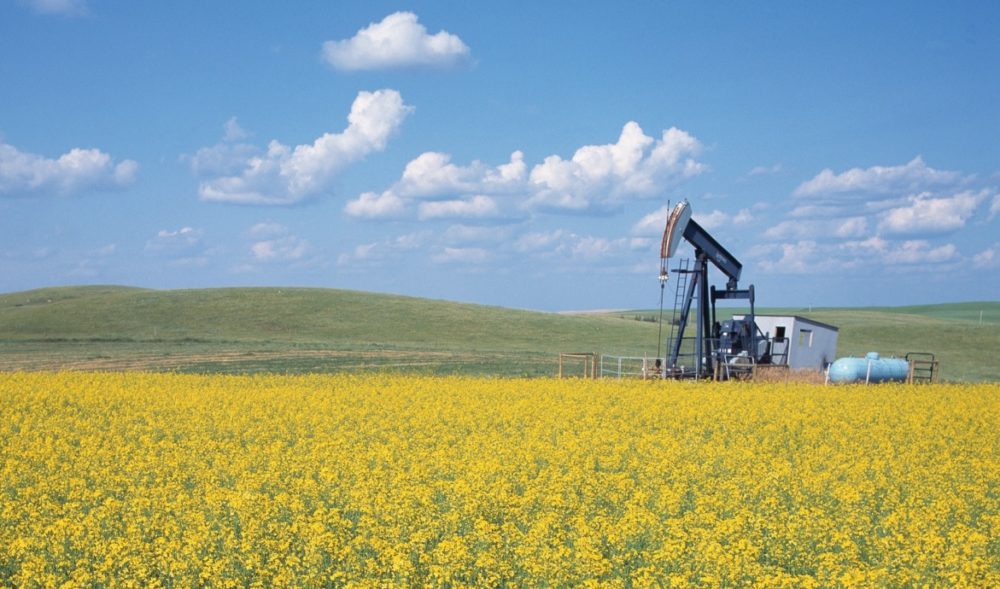
Alberta oil well in canola field

TORONTO – A new report says Canada’s big banks financed about US$145 billion in fossil fuel investments last year, compared with about US$75 billion to low-carbon energy.

The report by energy transition research firm BloombergNEF focuses on the ratio of global bank funding going to oil, gas and coal projects compared with low-carbon investments like wind, solar and electrical grids, as a way to see how much financial institutions are helping or hindering the transition.

BloombergNEF found that globally, the ratio for banks was 89 cents going toward low-carbon options for every dollar to fossil fuels in 2024, roughly the same rate as a year earlier.

The ratio for Canada’s Big Six banks was 0.61 to 1 last year, worsening from 0.67 to 1 in 2023. However, the picture was mixed, with some seeing a higher ratio of funding to renewables and others slipping.

The Canadian Bankers Association did not immediately respond to a request for comment.

Excluding National Bank — an outlier among the six major lenders as the only one to fund more renewables than fossil fuels — the ratio worked out to 0.49 to 1 in 2024, compared with 0.47 to 1 a year earlier.

Last year, RBC committed to release its own calculated energy supply ratio but said in April it would not be disclosing it publicly, citing new greenwashing laws, while Scotiabank has committed to releasing its findings next year.

RBC, which has also committed to provide $35 billion in low-carbon financing by 2030, fared the best among the Big Five banks with a ratio of 0.61 to 1.

TD Bank Group had the worst ratio of its Canadian banking peers with 31 cents going to low-carbon energy for every dollar directed at fossil fuels.

Canada’s big banks have set a target of net zero financed emissions by 2050.

This report by The Canadian Press was first published on Sept. 18, 2025.

Companies in this story: (TSX:RY; TSX:TD; TSX:BNS: TSX:NA)

Follow BOE Report
  • Facebook
  • X
  • LinkedIn

Sign up for the BOE Report Daily Digest E-mail

Successfully subscribed

Latest Headlines
  • Canada’s pipeline plan attracts Middle Eastern, Asian interest, Alberta premier says
  • Mideast situation shows need for energy diversification, says Cheniere CEO
  • Alberta to streamline major project approvals
  • Pipeline leak located more than a week after sheen first reported on Ontario river
  • Gas tankers sail through Hormuz to India, most ships still stuck, data shows

Return to Home
Alberta GasMonthly Avg.
CAD/GJ
Market Data by TradingView

    Report Error


    Note: The page you are currently on will be sent with your report. If this report is about a different page, please specify.

    About
    • About BOEReport.com
    • In the News
    • Terms of Use
    • Privacy Policy
    • Editorial Policy
    Resources
    • Widgets
    • Notifications
    • Daily Digest E-mail
    Get In Touch
    • Advertise
    • Post a Job
    • Contact
    • Report Error
    BOE Network
    © 2026 Stack Technologies Ltd.