Canada’s pipeline operators are responsible for managing infrastructure that was originally designed and constructed under historical land-use and population conditions that differ markedly from today’s urbanized and expanding environments. One of the more frequent, important and often underestimated risks as populations grow and urban developments expand and encroach on pipeline corridors is the need to monitor and respond to class location changes.
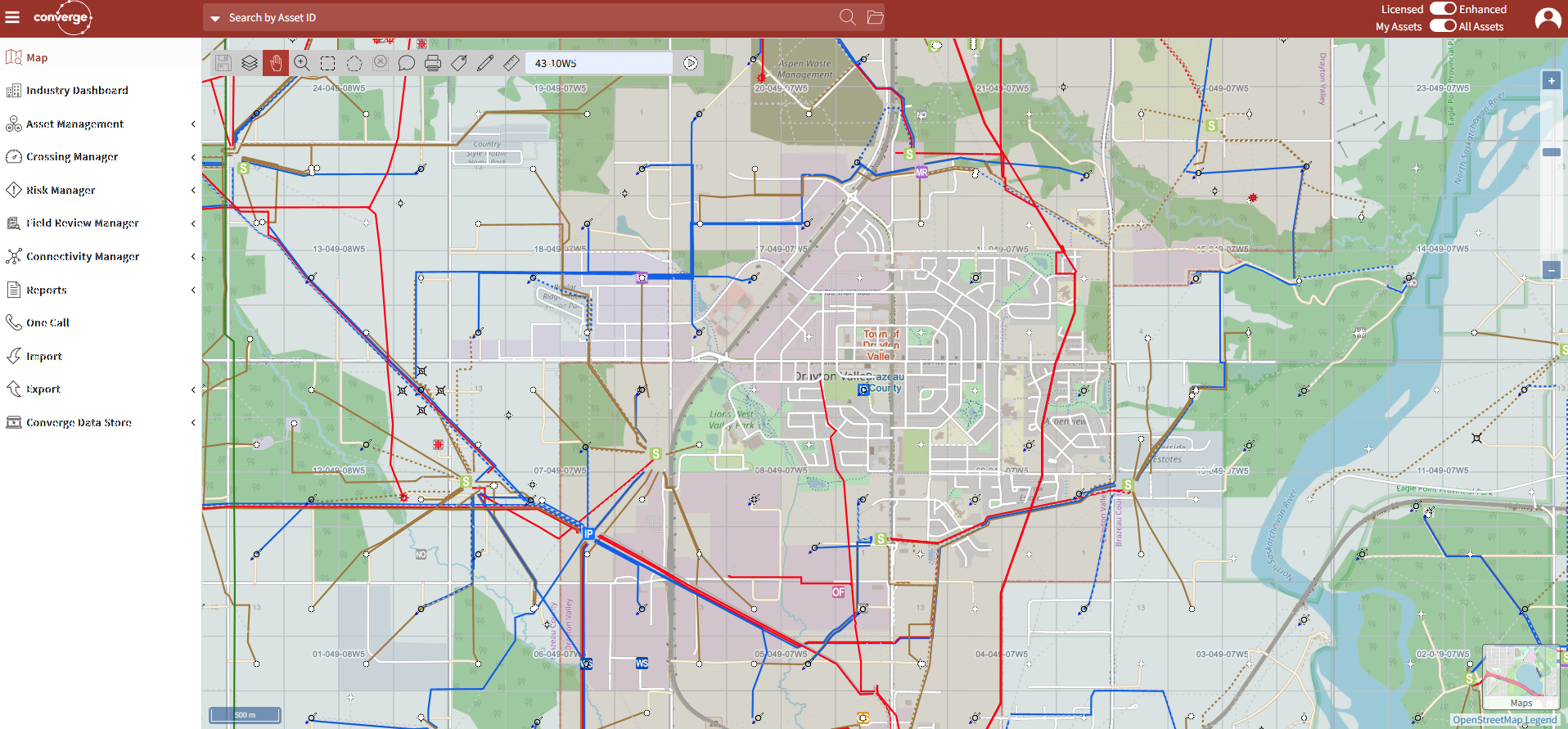
Pipeline owners and operators must reassess risk and ensure compliance with class location designations. To address risks, CSA Z662 established a class location system that categorizes pipeline segments based on population density and land use, guiding design, operational, and safety requirements. These changes, as defined by CSA Z662, are triggered when population density increases and/or land use changes around an existing pipeline.
When that happens, the pipeline operator is required to comply with stricter safety and engineering requirements that correspond with the new class location. These changes influence design factors such as wall thickness, material grade, allowable operating pressures, and the implementation of enhanced safety and integrity management protocols.
In a new technical paper from GDM, industry experts explore why proactive planning for class location changes is gaining recognition as an important part of integrity management—and how data-driven tools are helping operators stay ahead of the curve.
“Expanding infrastructure and population base inevitably make this a significant consideration,” says Brian Hall, President of GDM. “It’s more than just a technical issue. It may impact the level of trust with the public, landowners, and Indigenous groups.”
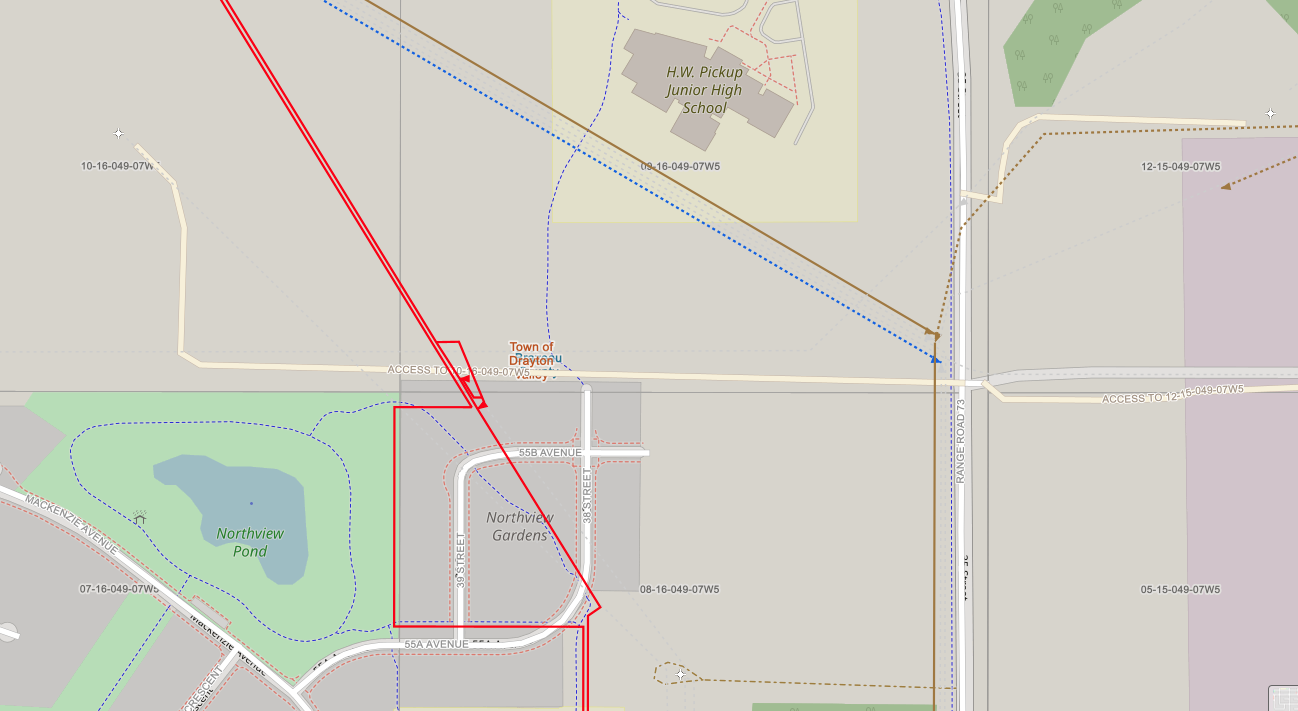
The paper outlines several converging pressures that are driving the urgency, including:
- Urban expansion that is pushing residential and industrial development closer to pipelines.
- Infrastructure that is facing modern safety expectations it wasn’t originally designed for.
- Regulatory scrutiny and stakeholder expectations that are rising, making reactive responses riskier than ever.
The paper highlights how GDM’s Converge platform and curated datasets are helping operators shift toward proactive integrity management, including monitoring classification risk in near real-time, visualizing pipeline networks alongside zoning and population data, and aligning integrity planning with ESG and stakeholder strategies
It also introduces predictive tools in development that will allow operators to anticipate future classification risks—before they become compliance emergencies.
Beyond data, the paper explores field-level innovations like Total Containment Inc.’s Envirolock system, which offers a compliant, low-impact alternative to traditional pipe replacement. Together, these solutions represent a shift from reactive compliance to strategic foresight.
Discover how classification planning is evolving and how your team can stay ahead. Gain access to the full technical paper and explore the tools, strategies, and innovations shaping the future of pipeline integrity.
ABOUT GDM
GDM Inc. is the trusted source for energy infrastructure data in Canada. In business since 1997, GDM is relied on by industry to deliver the most complete, accurate, and current pipeline and facility, environmental incident, transportation infrastructure, utility, and frontier land data. Our data is available as part of prominent industry applications Converge, AccuMap, and geoSCOUT, in addition to being accessible via direct database connections like Snowflake and GIS-ready files.
To round out our offering, our proprietary software application, Converge, offers analytics and mapping tools, as well as modules specific to pipeline risk assessment, water crossing prioritization, and asset connectivity. We also deliver custom data reporting and analytics services to meet the unique and changing needs of the energy industry in Canada.
For more information about GDM’s solutions, visit www.gdm-inc.com