Even as Canada expands global energy markets, deep U.S. integration remains central to trade, security and growth
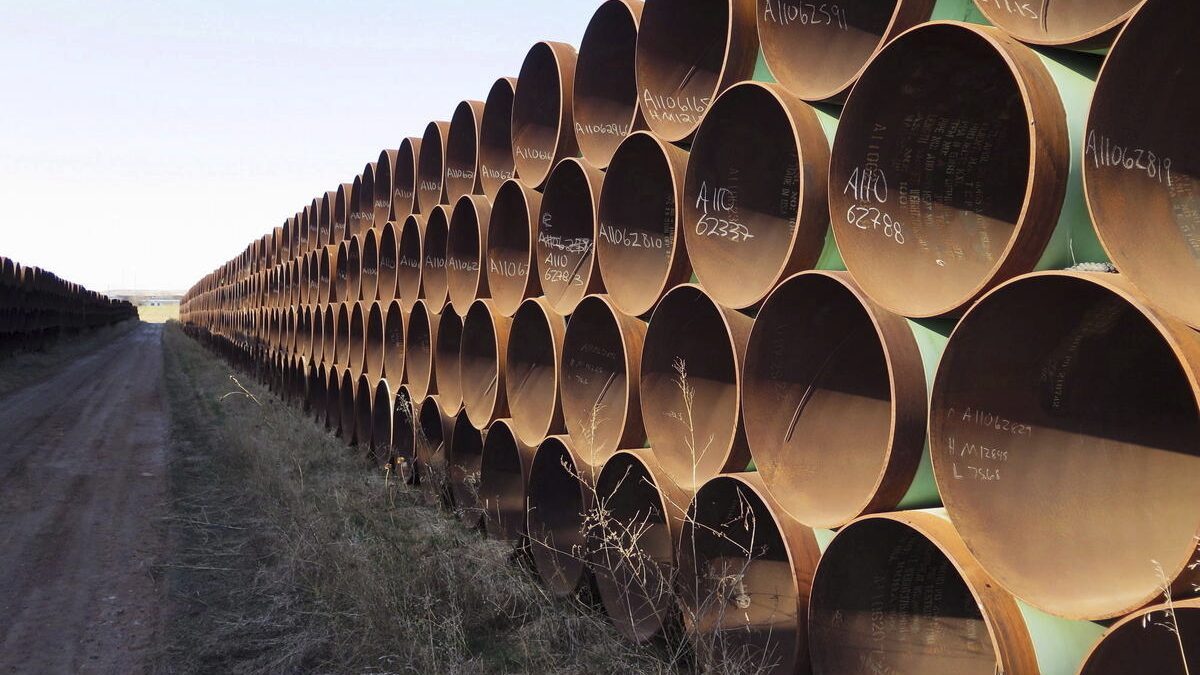
As Canada moves to diversify markets for its vast oil and gas resources, experts say one reality remains: the United States will continue to be its largest energy customer.
Maintaining and strengthening that relationship is critical to North American energy security amid global instability and shifting U.S. policies.
“Market diversification for the oil and natural gas industry is not about ‘replacement.’ Diversification means growing our customer base, growing production, growing exports, and growing the Canadian economy,” said Lisa Baiton, CEO of the Canadian Association of Petroleum Producers.
“We should work to forge a renewed continental energy alliance that is attuned to new global realities.”
An integrated energy machine
A recent analysis by the Montreal Economic Institute (IEDM) outlines the scale of current Canada-U.S. energy relationship.
In 2024, Canada exported $169.8 billion worth of hydrocarbons — including crude oil, natural gas, natural gas liquids and refined petroleum products — to the United States.
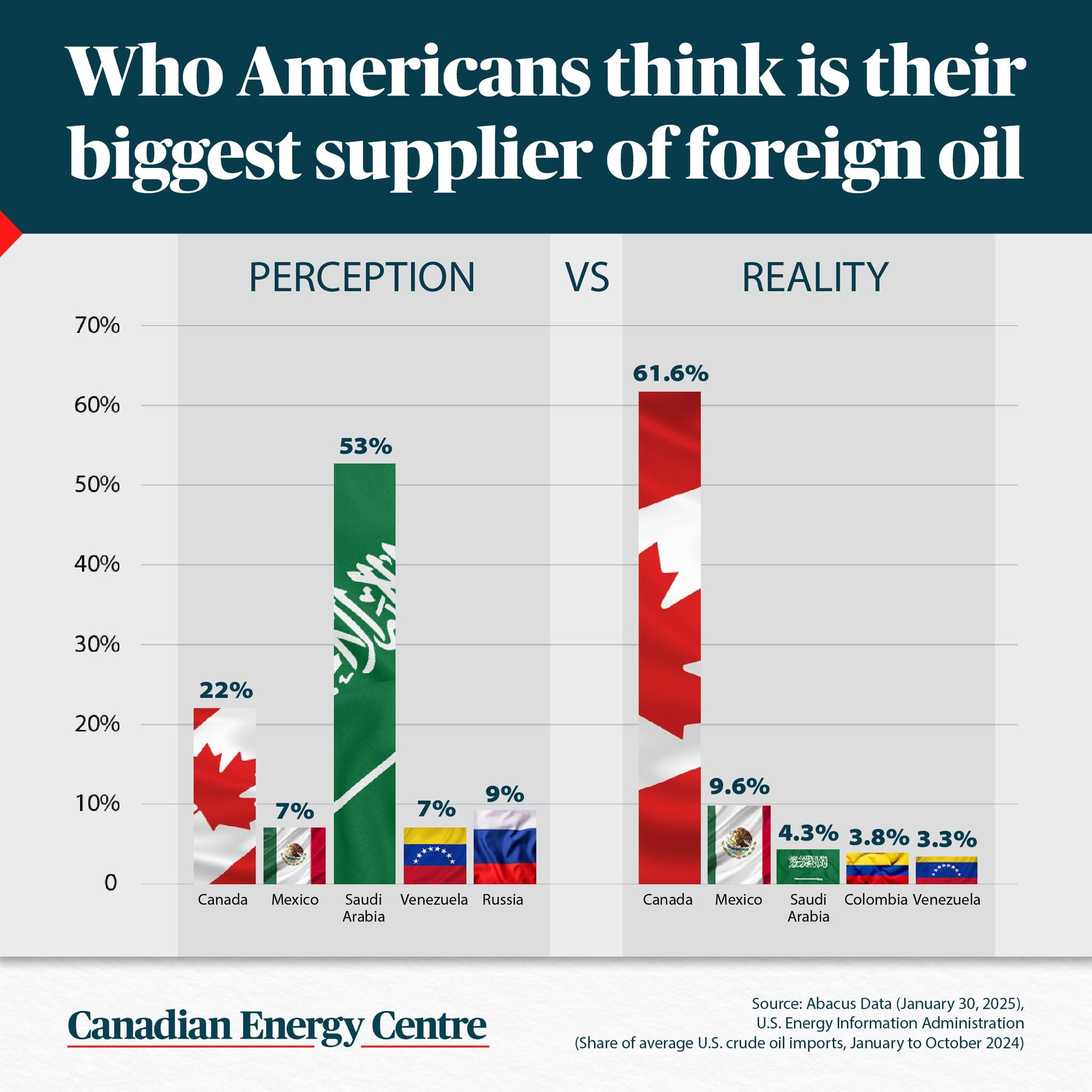
Led by crude oil, that accounts for 22 per cent of all Canadian goods exports and the bulk of the U.S.’s imported energy supply.
The trade flows in both directions, with Ontario, Quebec and the Atlantic region driving $33.4 billion of U.S. oil and gas imports in the same year.
“In many ways, the border is an afterthought for this integrated North American energy machine, which has kept churning for a century, regardless of political winds,” wrote IEDM researchers Taylor MacPherson and Gabriel Giguère.
“But we can’t take it for granted; we must be steadfast in protecting this unique, mutually beneficial relationship.”
Growing pressures from global instability
The long-standing North American partnership is being tested by geopolitical uncertainty.
Wars involving Ukraine and Iran have driven volatility in global energy markets. At the same time, the U.S. has introduced tariffs and incentives aimed at strengthening domestic energy supply chains.
While the U.S. often describes its strategy as one of “energy dominance,” that does not necessarily mean independence from Canada.
As production of light oil from the Permian Basin has grown, so too have imports of heavier Canadian crude, primarily from Alberta’s oil sands.
Many U.S. refineries are built for heavy oil, particularly in the Midwest and Gulf Coast — but the U.S. doesn’t produce much of it, RBN Energy analyst Jason Lindquist noted recently.
“[This] makes heavy crude from nearby Canada and Latin America essential,” he wrote in a March research note.
Canadian oil and gas underpins U.S. energy exports
Since the United States lifted its oil export ban in 2015, its light crude exports have surged, averaging about 4 million barrels per day last year, according to the U.S. Energy Information Administration (EIA).
That’s roughly equal to the volume of Canadian oil – primarily heavy oil – that the U.S. imported over the same period.
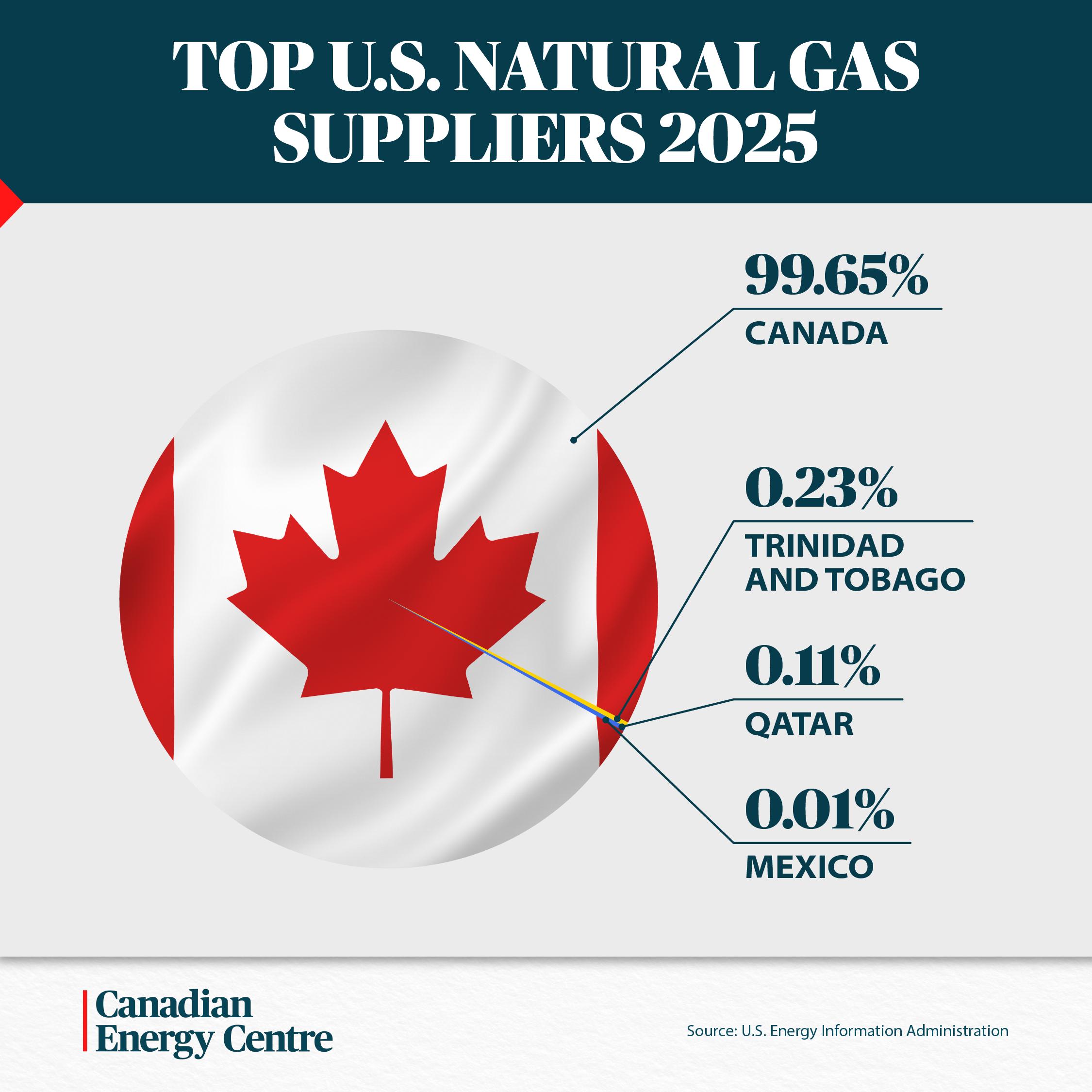
America depends on Canada to complement its natural gas supply as well.
The U.S. is now the world’s largest liquefied natural gas (LNG) exporter, yet its natural gas imports have remained steady since LNG exports began in 2016.
In 2025, 99.7 per cent of those imports came from Canada, according to the EIA.
Strengthening the Canada-U.S. energy relationship
While diversification work continues, observers say Canada must also keep strengthening the partnerships that bind its energy system to that of the United States.
The Washington D.C.-based Atlantic Council has advocated for a North American-wide approach.
It urges Canada, the U.S. and Mexico to pursue a continental energy security strategy that aligns emissions reduction policies, regulatory systems and infrastructure development plans to give all three countries a global advantage.
The former CEO of the Canada Energy Regulator says Canada’s importance as a reliable energy supplier is increasing as energy prices spike amid conflict in the Middle East and a review of the Canada-United States-Mexico (CUSMA) trade agreement.
“The volatility of the current situation will make Canada more attractive as an investment location because we are seen as stable,” Gitane De Silva said in a recent interview.
The IEDM argues that Canada needs to adopt clear “energy diplomacy” objectives to advance commercial deals with key international customers.
“As North America’s share of global oil and gas trade grows, every extra barrel or cubic foot we move strengthens our allies, thins our adversaries’ leverage, and maximizes value for the benefit of all Canadians,” MacPherson and Giguère concluded.
This article was originally produced by the Canadian Energy Centre. See the original article here.