• Sign up for the Daily Digest E-mail
  • X
  • LinkedIn
  • See more results

    Generic selectors
    Exact matches only
    Search in title
    Search in content
    Post Type Selectors

BOE Report

Sign up

See more results

Generic selectors
Exact matches only
Search in title
Search in content
Post Type Selectors
  • Home
  • StackDX Intel
  • Headlines
    • Latest Headlines
    • Featured Companies
    • Columns
    • Discussions
  • Well Activity
    • Well Licences
    • Well Activity Map
  • Property Listings
  • Land Sales
  • M&A Activity
    • M&A Database
    • AER Transfers
  • Markets
  • Rig Counts/Data
    • CAOEC Rig Count
    • Baker Hughes Rig Count
    • USA Rig Count
    • Data
      • Canada Oil Market Data
      • Canada NG Market Data
      • USA Market Data
      • Data Downloads
  • Jobs

REPORT: Pipeline safer than rail

October 15, 201311:11 AM The Canadian Press

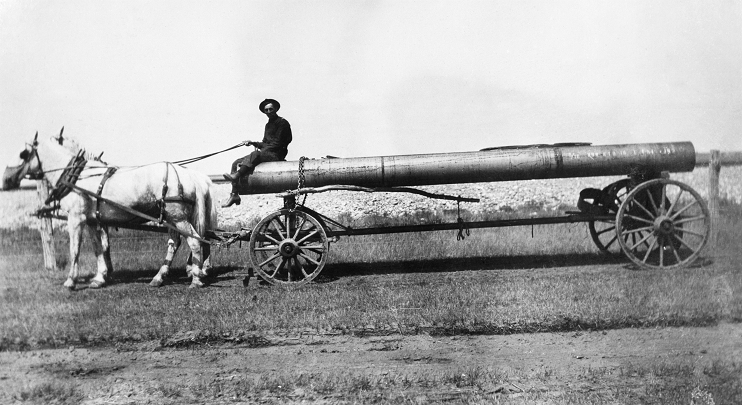
pipeline-horse

CALGARY – A report by the Fraser Institute released Tuesday says pipeline is by far the safest way to transport oil when worker injury rates are compared, but it remains unclear which is the safest from an environmental standpoint.

Using data from the U.S. Department of Transportation between 2005 and 2009, the study found the rates of injury requiring hospitalization in the U.S. were 30 times lower among pipeline workers than rail workers involved in shipping oil.

For truck transport, the difference is even more stark, with an injury rate 37 times higher than oil transport by pipeline.

When it comes to spills, road transport fared the worst, with nearly 20 incidents per billion ton-miles. Rail had just over two incidents per billion ton miles while pipelines had less than 0.6 per billion tonne miles.

The report notes that pipelines tend to release more crude per spill than rail, but much of that is often recovered quickly.

With pipelines such as the controversial Keystone XL pipeline — which would connect Canadian crude to Texas refineries — in regulatory limbo, producers have been increasingly turning to rail to get their crude to market.

But concern over the safety of using that mode of transport has intensified since a runaway crude-laden train derailed in Lac- Megantic, Que., this summer, killing 47 people and destroying much of the downtown area.

“When you have more moving parts, more potential interactions with other non-controlled actors such as trains and trucks, the potential for accidents is higher when compared to pipelines,” said Kenneth Green, one of the study’s authors.

“It’s not a completely simple comparison. When you have a pipeline spill the release volumes are higher than for a truck or train incident. But with road and rail, you have risk of more incidents in more places, so the overall question of environmental protection becomes unclear.”

Crude by Rail Keystone XL

Follow BOE Report
  • Facebook
  • X
  • LinkedIn

Sign up for the BOE Report Daily Digest E-mail

Successfully subscribed

Latest Headlines
  • Russia’s Sechin says U.S. companies benefit from the closure of the Strait of Hormuz
  • Goldman Sachs says global oil demand takes big hit, sees risks to price forecast
  • US energy firms add rigs for seventh week in a row, says Baker Hughes
  • Companies to add 40 mln barrels of oil to US SPR after Iran war ends, energy secretary says
  • Global oil inventories depleted, next price spike could roil economies, markets

Return to Home
Alberta GasMonthly Avg.
CAD/GJ
Market Data by TradingView

    Report Error


    Note: The page you are currently on will be sent with your report. If this report is about a different page, please specify.

    About
    • About BOEReport.com
    • In the News
    • Terms of Use
    • Privacy Policy
    • Editorial Policy
    Resources
    • Widgets
    • Notifications
    • Daily Digest E-mail
    Get In Touch
    • Advertise
    • Post a Job
    • Contact
    • Report Error
    BOE Network
    © 2026 Stack Technologies Ltd.