• Sign up for the Daily Digest E-mail
  • Facebook
  • X
  • LinkedIn

BOE Report

Sign up
  • Home
  • StackDX Intel
  • Headlines
    • Latest Headlines
    • Featured Companies
    • Columns
    • Discussions
  • Well Activity
    • Well Licences
    • Well Activity Map
  • Property Listings
  • Land Sales
  • M&A Activity
    • M&A Database
    • AER Transfers
  • Markets
  • Rig Counts/Data
    • CAOEC Rig Count
    • Baker Hughes Rig Count
    • USA Rig Count
    • Data
      • Canada Oil Market Data
      • Canada NG Market Data
      • USA Market Data
      • Data Downloads
  • Jobs

Oilsands firms considering diluent recovery units to boost crude-by-rail volumes

August 16, 201910:06 AM The Canadian Press0 Comments

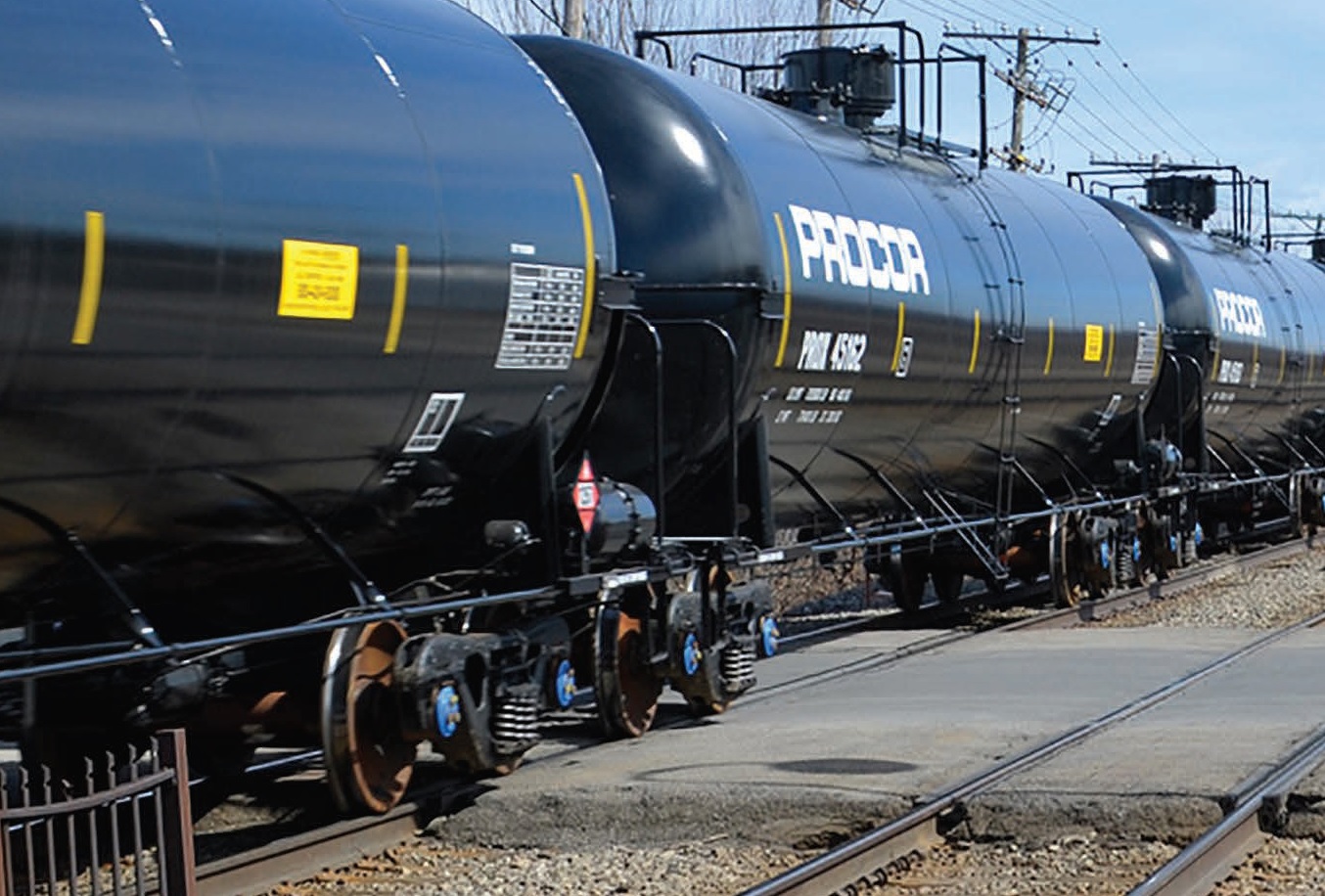
crude oil rail cars

CALGARY – Ongoing pipeline project delays and growth in crude-by-rail capacity from Western Canada are leading some oilsands producers to consider spending billions of dollars to build diluent recovery units.

Oilsands bitumen is a thick, sticky oil which must be diluted with about half as much light petroleum to flow in a pipeline, but diluent isn’t needed for rail transport because the product can be heated for loading and unloading.

Eight Capital analyst Phil Skolnick says in a report that building diluent recovery units at Alberta rail-loading terminals would free up about one-third of the space in the railcar to improve the efficiency and overall profitability of sending bitumen by rail to refineries in the southern U.S.

In a recent interview, Cenovus Energy Inc. CEO Alex Pourbaix said his company is actively investigating building a unit at its terminal near Edmonton which would cost between $800 million and $1 billion.

He says it would be capable of processing up to 180,000 barrels per day of diluted bitumen, thus recovering about 60,000 barrels per day of diluent to be returned to its northern Alberta oilsands projects.

Rich Kruger, CEO of rival producer Imperial Oil Ltd., said on a recent conference call that his company has been considering building a diluent recovery unit for several years but has ruled against it for now because of the high cost and market uncertainties.

“DRUs in some cases can provide attractive returns, but more importantly, they can also improve the landscape of crude-by-rail and egress (to the tune of about 190,000 bpd of incremental bitumen if all 600,000 bpd of crude-by-rail used a DRU),” wrote Skolnick in his report.

“However, reduced costs and maximum diluent recycling are key to making this effort work. These current hurdles are likely reasons companies aren’t in a rush to build them yet.”

Companies in this article: (TSX:CVE, TSX:IMO)

Cenovus Imperial Oil

Follow BOE Report
  • Facebook
  • X
  • LinkedIn

Sign up for the BOE Report Daily Digest E-mail

Successfully subscribed

Latest Headlines
  • Libya to sign 25-year deal with TotalEnergies, ConocoPhillips to bring over $20 billion in investment
  • NuVista shareholders vote to approve $3.8B Ovintiv transaction
  • Exxon’s XTO unit seeks buyers for select Eagle Ford assets
  • NuVista and Ovintiv Announce NuVista Shareholder Approval and Receipt of Final Order for Transaction with Ovintiv and Preliminary Results of Elections by NuVista Shareholders Regarding Form of Consideration
  • Trump administration considers naval blockade to halt Cuban oil imports, Politico reports

Return to Home
Alberta GasMonthly Avg.
CAD/GJ
Market Data by TradingView

    Report Error


    Note: The page you are currently on will be sent with your report. If this report is about a different page, please specify.

    About
    • About BOEReport.com
    • In the News
    • Terms of Use
    • Privacy Policy
    • Editorial Policy
    Resources
    • Widgets
    • Notifications
    • Daily Digest E-mail
    Get In Touch
    • Advertise
    • Post a Job
    • Contact
    • Report Error
    BOE Network
    © 2026 Stack Technologies Ltd.