Every year during spring breakup, as the thaw begins across Alberta and much of Western Canada’s oilpatch operations slow down significantly, a familiar pattern surfaces. Trucks exit the roads. Field activity comes to a halt. And budgets tighten – at least for a short while.
But here’s what hasn’t slowed down: decision-making.
In fact, for many energy companies, spring breakup has quietly become one of the most strategic periods in the annual business cycle. While field operations stall, office-based teams – from engineering to procurement to executive leadership -shift gears. They research, evaluate, and plan.
And increasingly, they do it digitally.
The Invisible Buying Window
Today’s energy buyers aren’t waiting for sales calls or submitting RFQs to begin evaluating vendors. During breakup, much of that activity happens under the radar:
- Technical comparisons between competing solutions
- Deep dives into performance benchmarks
- Evaluations of cost optimization strategies
- Exploration of alternative vendors or technologies
Most importantly, the majority of these signals leave no obvious trace.
No inbound inquiries. No form fills. No direct engagement with sales teams.
For suppliers, this creates a blind spot at exactly the wrong time. Because by the time traditional signals appear – an RFQ, a meeting request, a bid invitation – the buyer’s shortlist is often already set.
A Strategic Opportunity is Hiding in Plain Sight
For forward-thinking energy leaders, this quieter period isn’t downtime – it’s a competitive window.
The companies that outperform in Q3, Q4, and into 2027 aren’t the ones scrambling to fill pipelines after breakup. They’re the ones using this period to build them – strategically and intentionally.
And that starts with visibility.
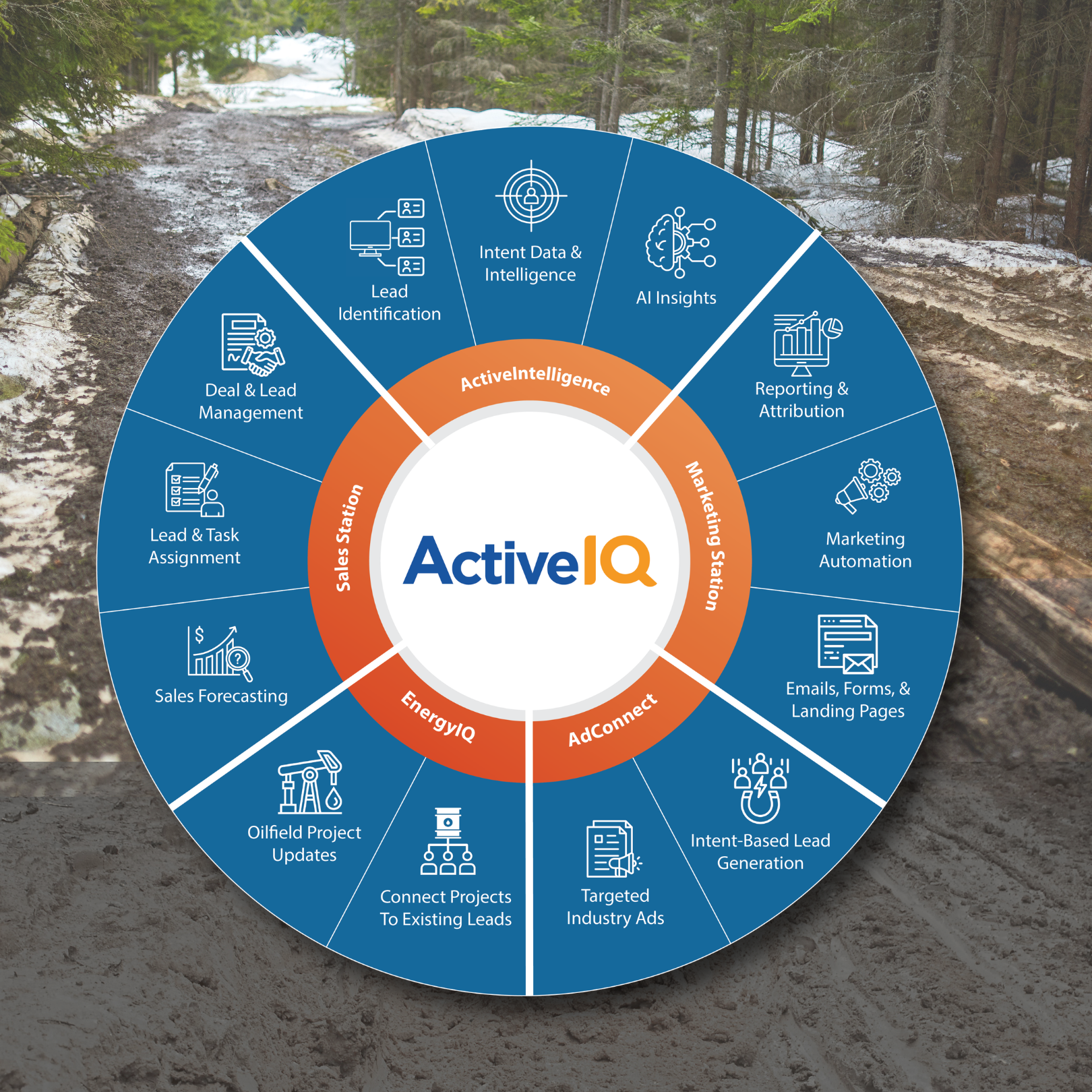
Across the industry, there’s growing recognition that high-quality data – particularly buyer intent signals – can provide early insight into which companies are actively researching solutions, even if they haven’t formally engaged. Tech-forward firms like ActiveIQ have built their entire model around surfacing these otherwise hidden signals, helping energy suppliers identify potential opportunities months earlier than traditional approaches allow.
But data alone isn’t the strategy. It’s what smart companies do with it during the spring breakup that creates this separation.
5 Areas to Focus On During This Year’s Breakup
- Identify and Qualify Early-Stage Opportunities
Breakup is an ideal time to uncover marketing-qualified leads (MQLs) that haven’t yet entered formal buying cycles. By analyzing digital research patterns and intent signals, companies can build a forward-looking pipeline rather than relying solely on late-stage opportunities. - Build Intent-Based Nurture Strategies
Not all leads are equal, and breakup offers time to segment and plan accordingly. High-intent prospects may warrant direct outreach strategies, while early-stage researchers benefit from targeted content, case studies, and education that align with their interests. - Lean Into Marketing While Others Pull Back
Historically, many firms scale back marketing during slower periods. That creates an opening. Increasing Search Engine Optimization (SEO) efforts, expanding Pay-Per-Click (PPC) campaigns, publishing technical articles, and maintaining a strong social presence can significantly improve visibility while competition is quieter. - Audit and Refine Your Pipeline
With fewer day-to-day operational distractions, leadership teams can take a hard look at existing pipelines. Where are deals stalling? Which segments show the most traction? What patterns from past cycles can inform future strategy? - Align Sales and Marketing Around Data
Breakup is also a valuable time to ensure alignment between commercial teams. Shared visibility into intent data, clear definitions of lead stages, and coordinated outreach strategies can dramatically improve conversion rates when activity ramps back up.
The Companies That See First, Win First
The reality is simple: buying decisions don’t pause during breakup – they just become harder to see.
Energy companies that dedicate time to gaining earlier insight into customer behaviour and develop structured plans around it position themselves to engage prospects before competitors even become aware of an opportunity.
By the time the ground firms up and operations accelerate, those relationships are already in motion.
In an industry where timing and information are everything, spring breakup may be one of the most underutilized strategic advantages available.
So, the question isn’t whether your prospects are planning.
It’s whether you can see it – and whether you’re ready when they act.
Don’t enter Q3 flying blind: Book your free demo with ActiveIQ today
(Remember, the ground won’t stay soft forever)